Listing in Rare Form Presents: Baby Gar of 1916, A Tangletown Craftsman Restored the Rare Form Way
4934 Garfield Ave: 3+ 🛌 2 🛁 2 🚙 2,687’🦶 Tangletown 🗺️ 699,999 🏦 MLS #7149913
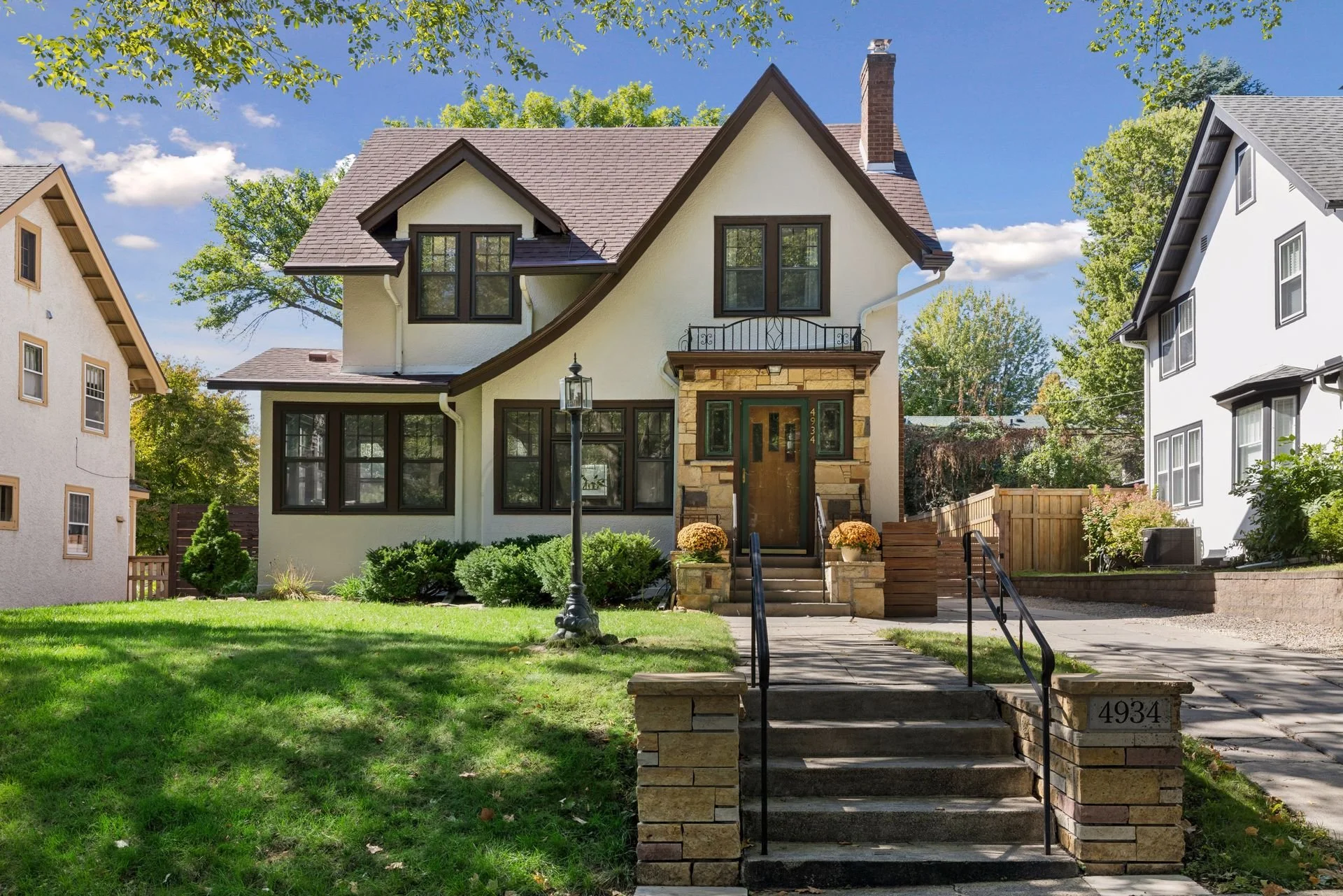
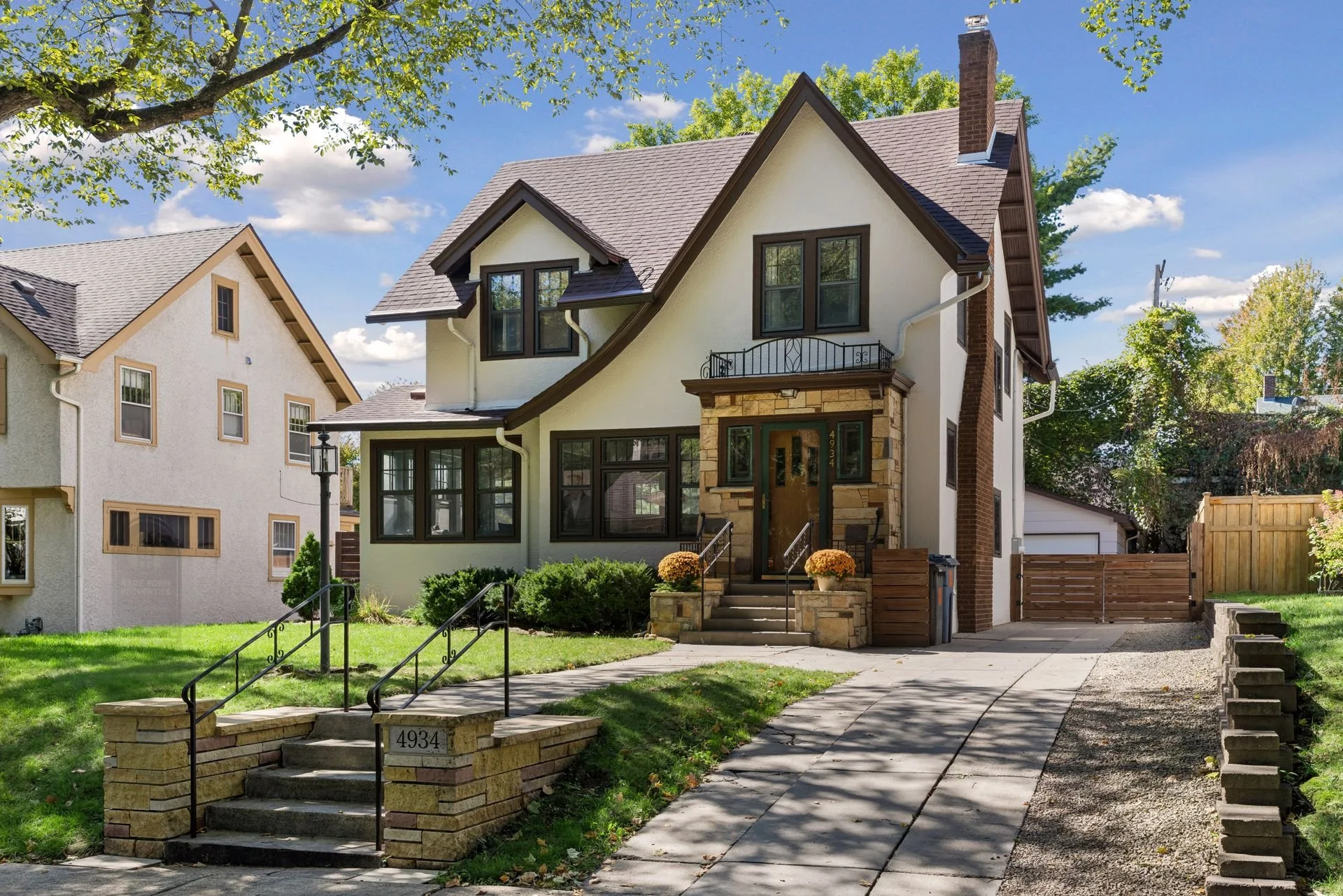
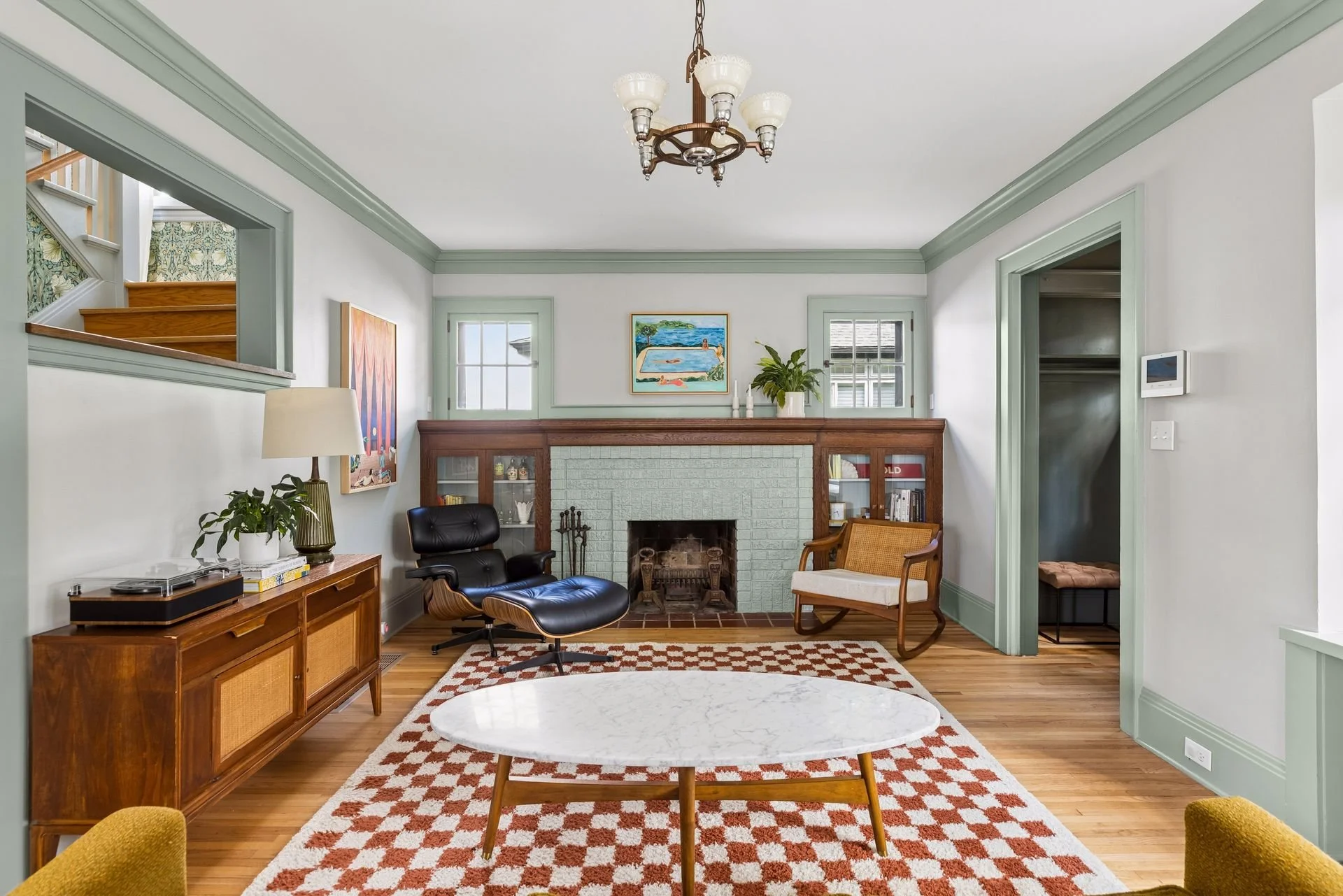
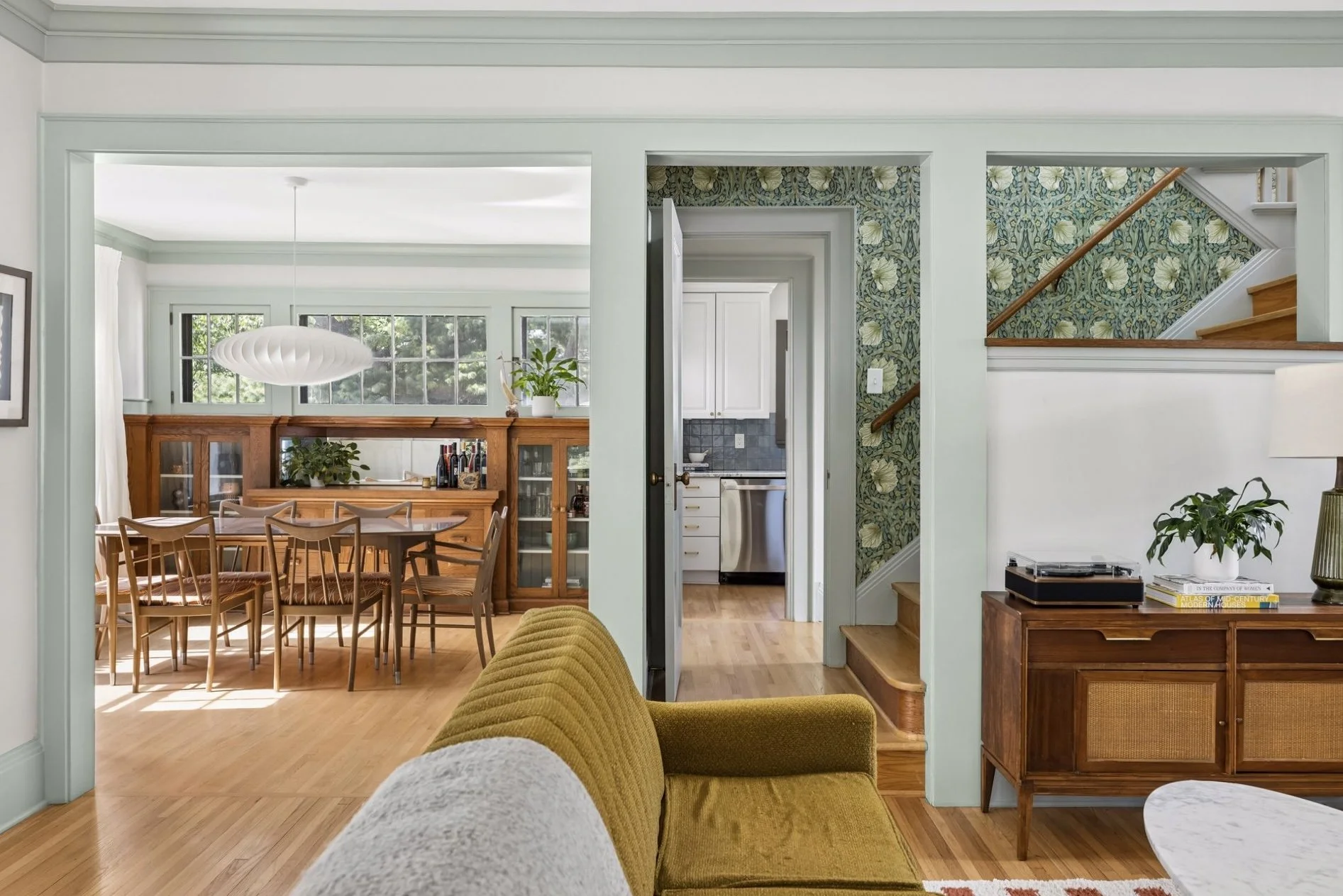
Rare Form and The Improvement Co. proudly present Baby Gar of 1916, a Tangletown Craftsman whose period finishes and impeccably-restored millwork recall the fit and finish of Gar Wood mahogany watercraft.
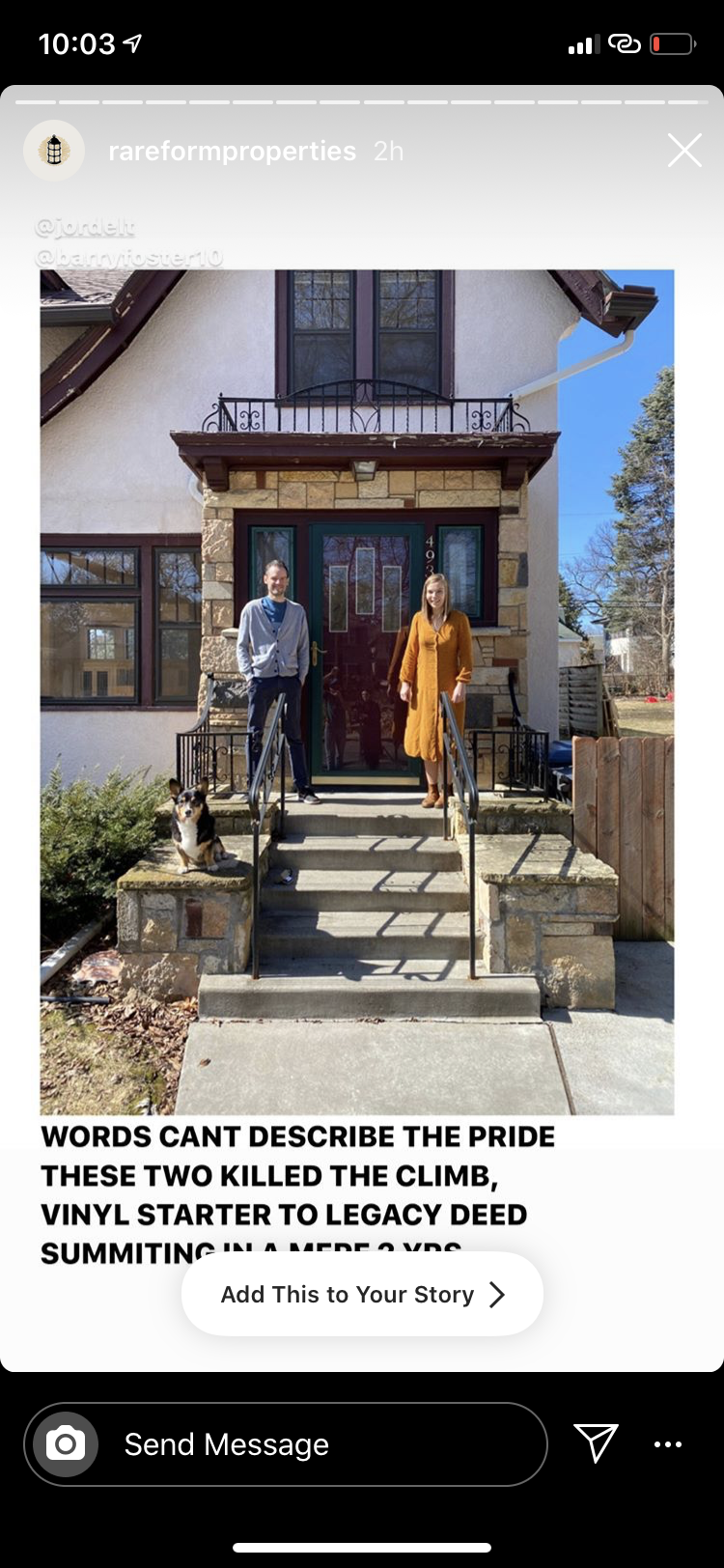
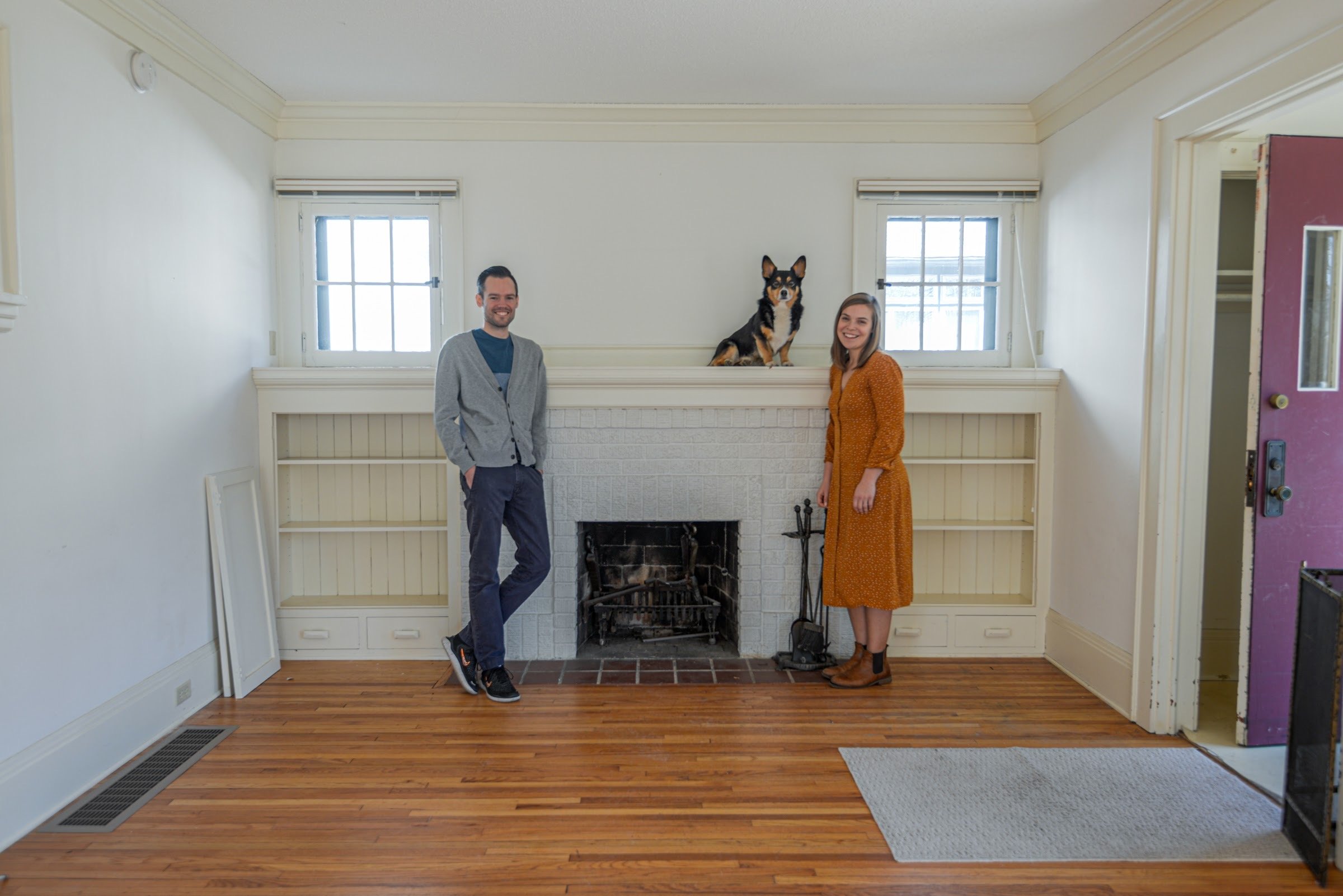
Baby Gar was among our early client restorations to extend the principles developed within Rare Form’s own portfolio: invest in the original craftsmanship and the rest will fall into place. After fixing up their East Nokomis starter home on a dime, Barry and Jordan doubled down on a larger legacy example project in the heart of Tangletown in 2019. Working with our craft trades, they executed a multi-phase restoration project that demanded trust and well-worn patience, and the simple shared conviction that the craftsmanship extant in a classic home is always worth the effort to preserve.
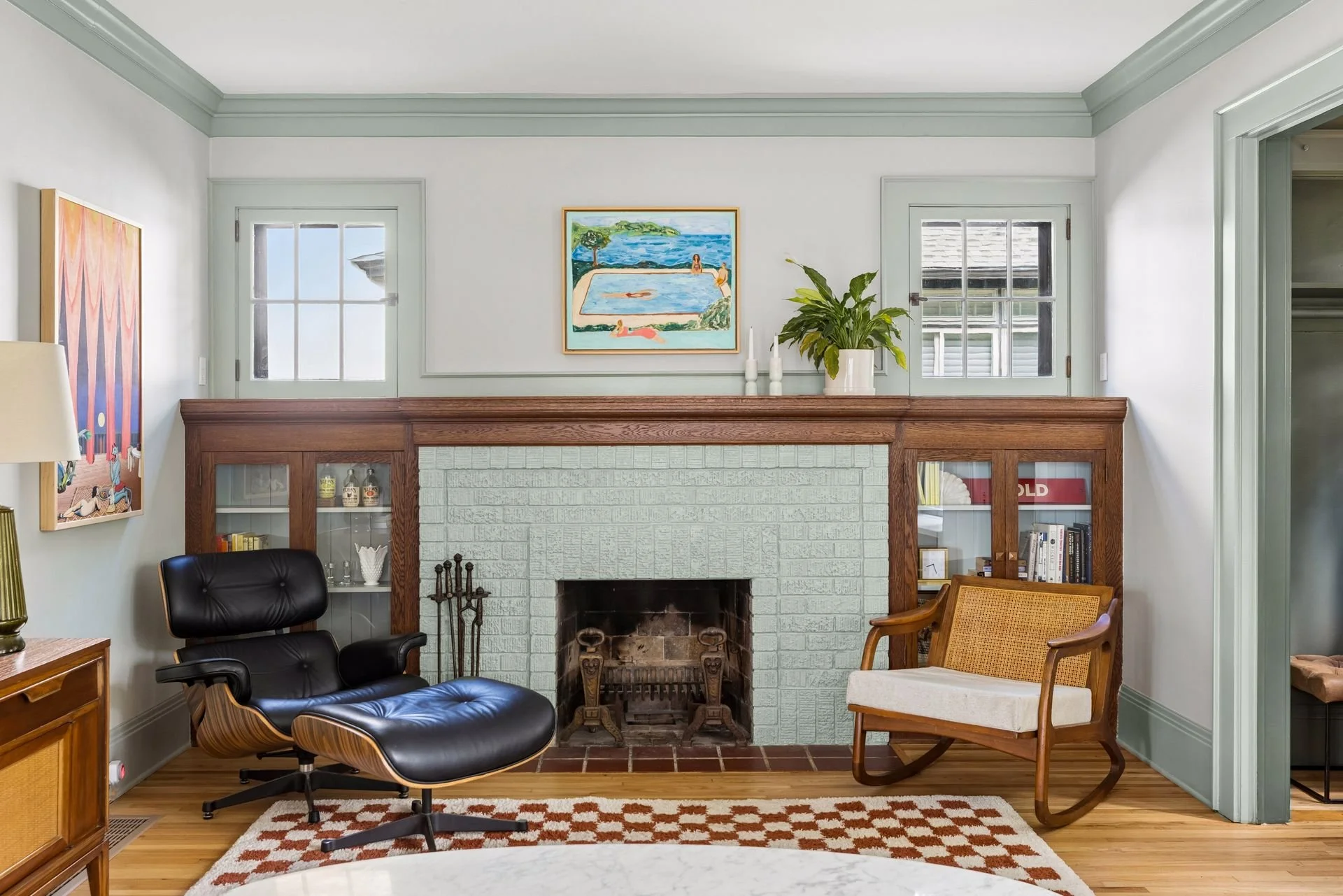
Gar’s fine features make for a pretty scroll. But it’s the slow labor it took to return them to their best that’s the true story here.
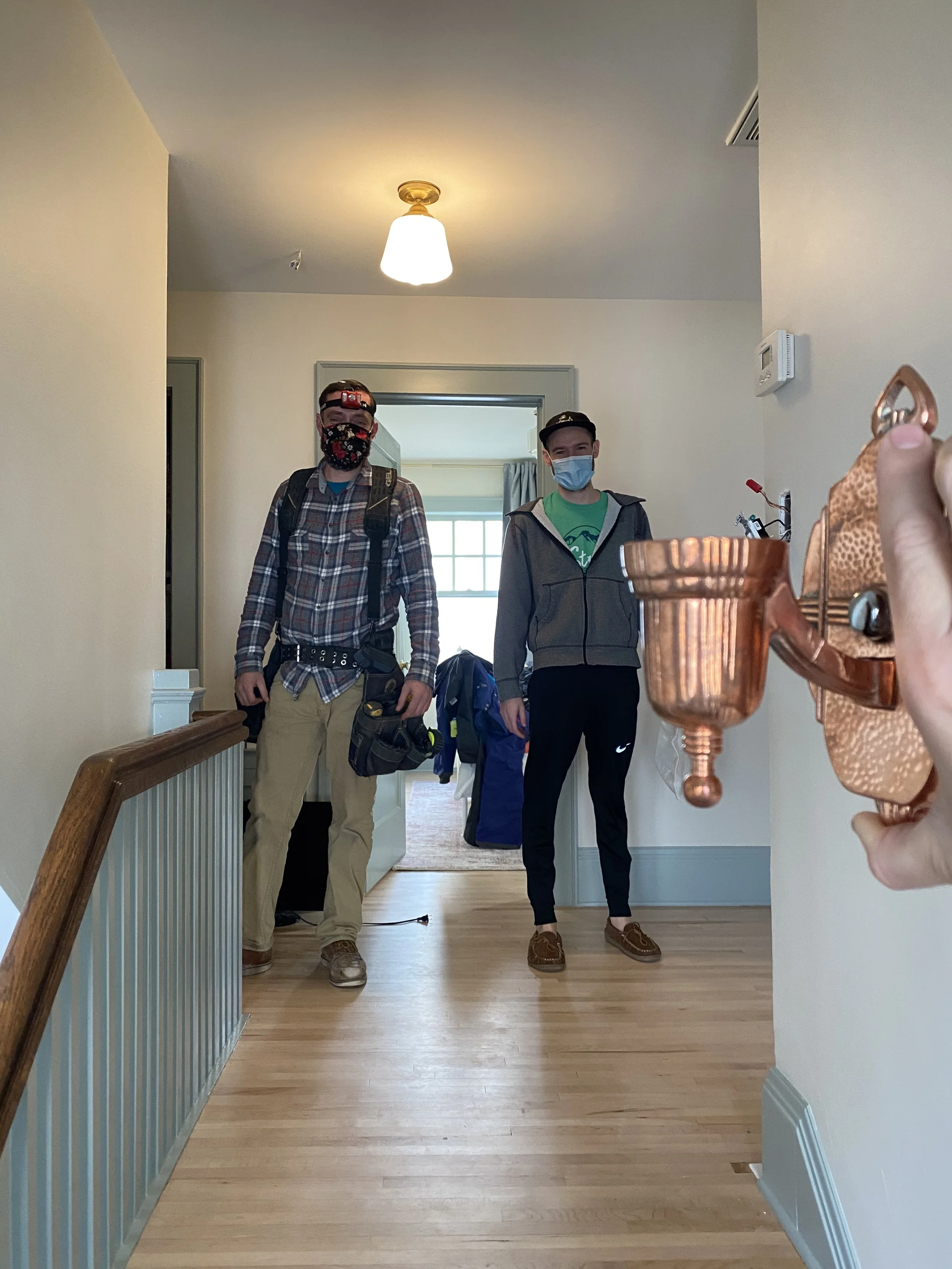
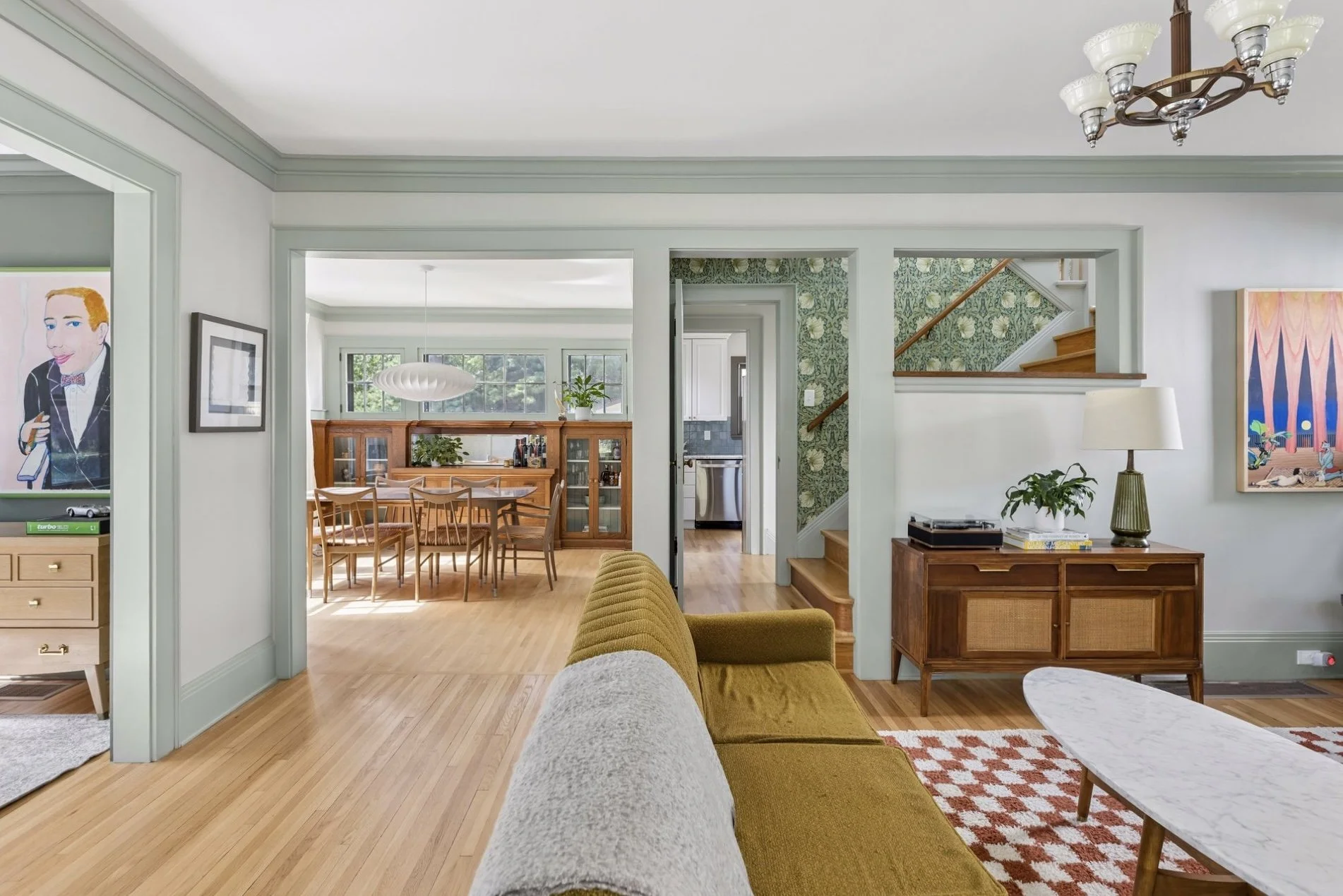
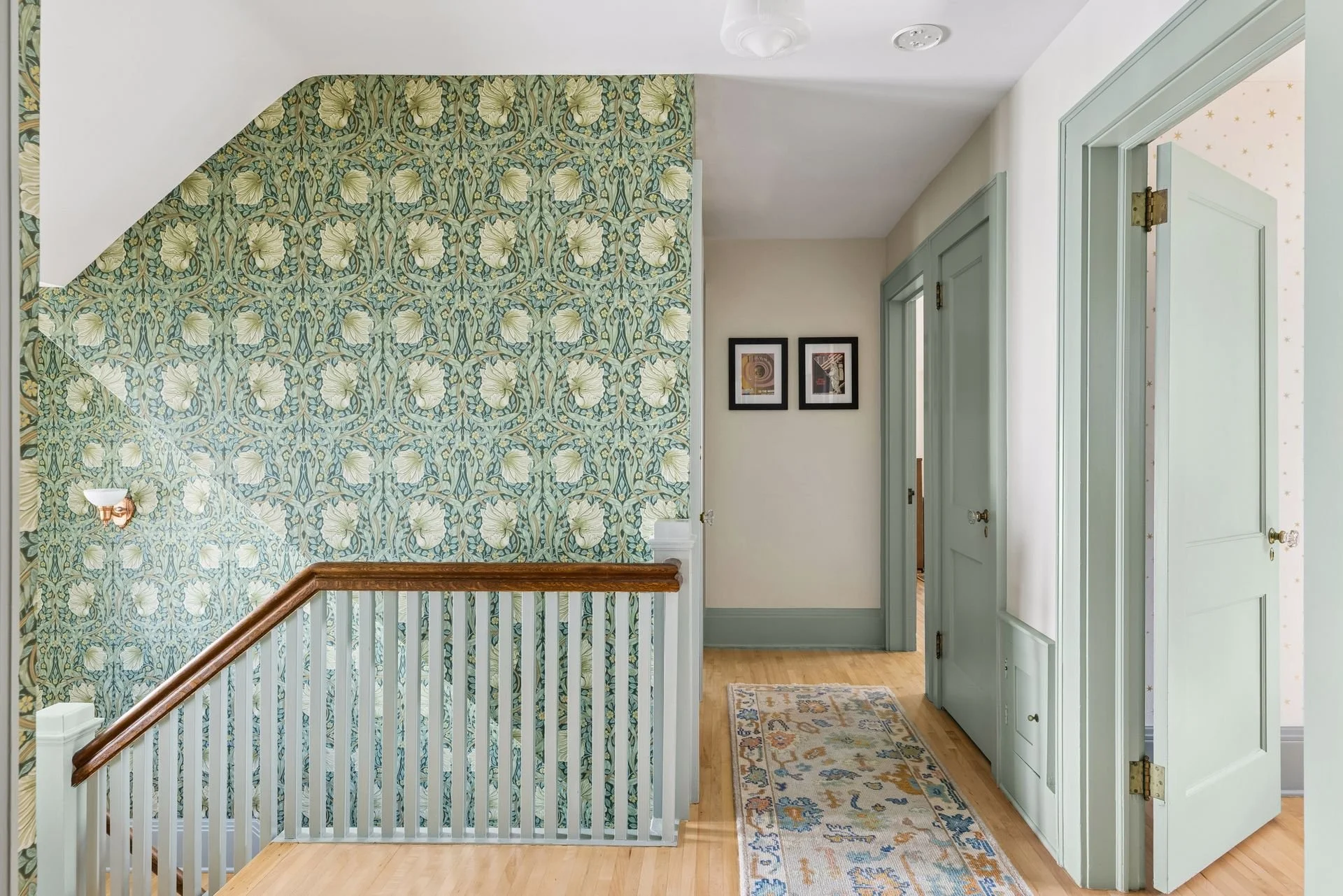
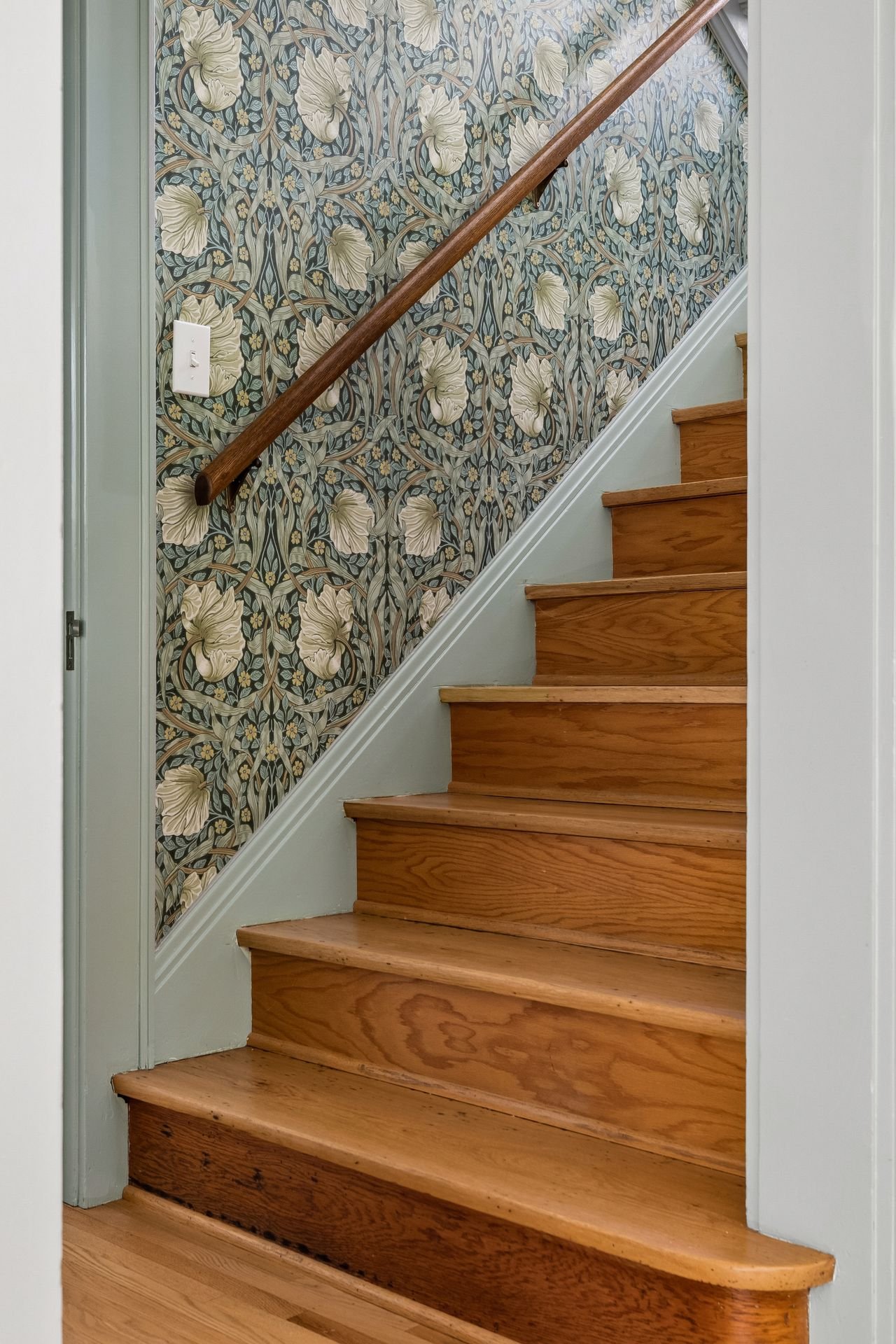
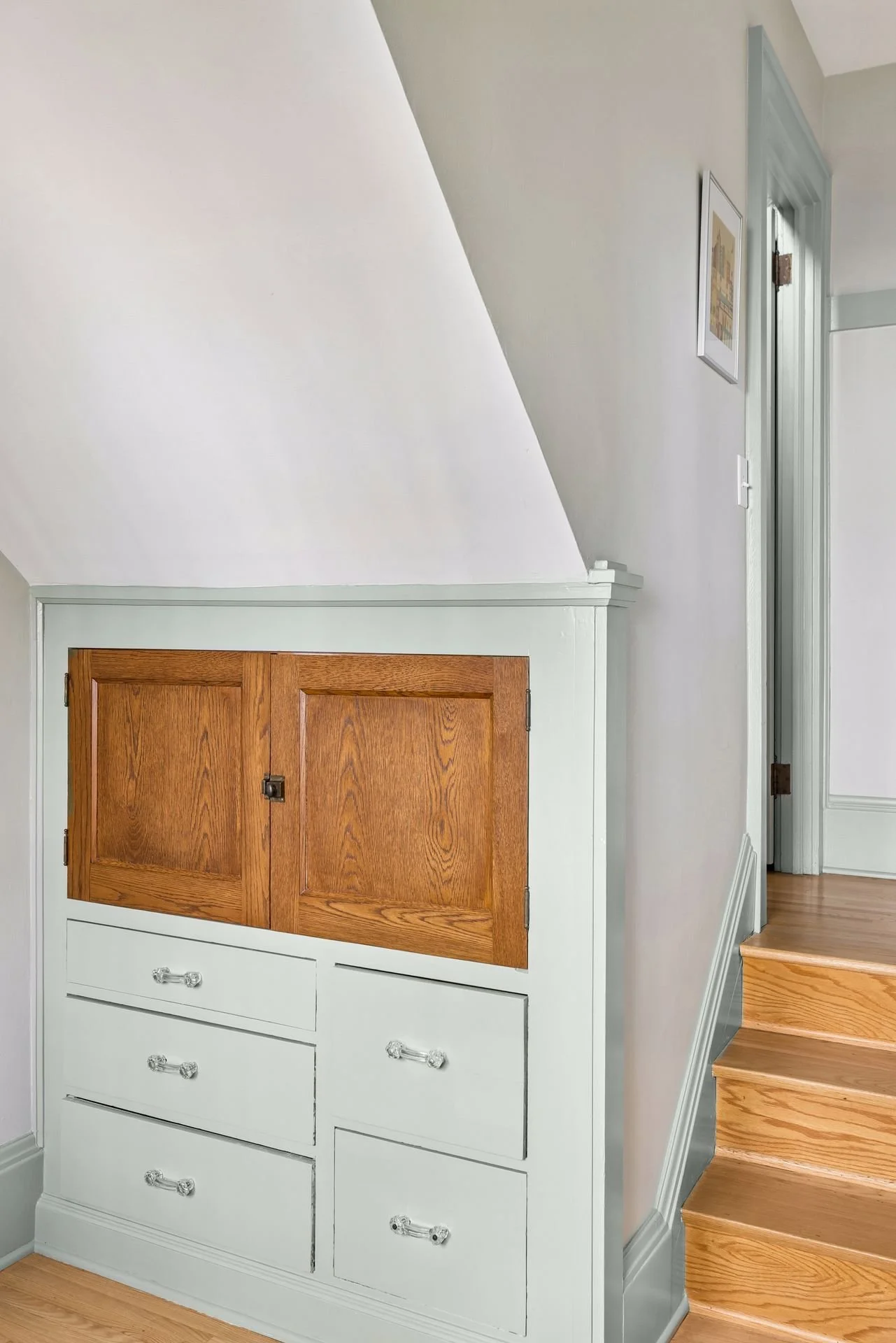
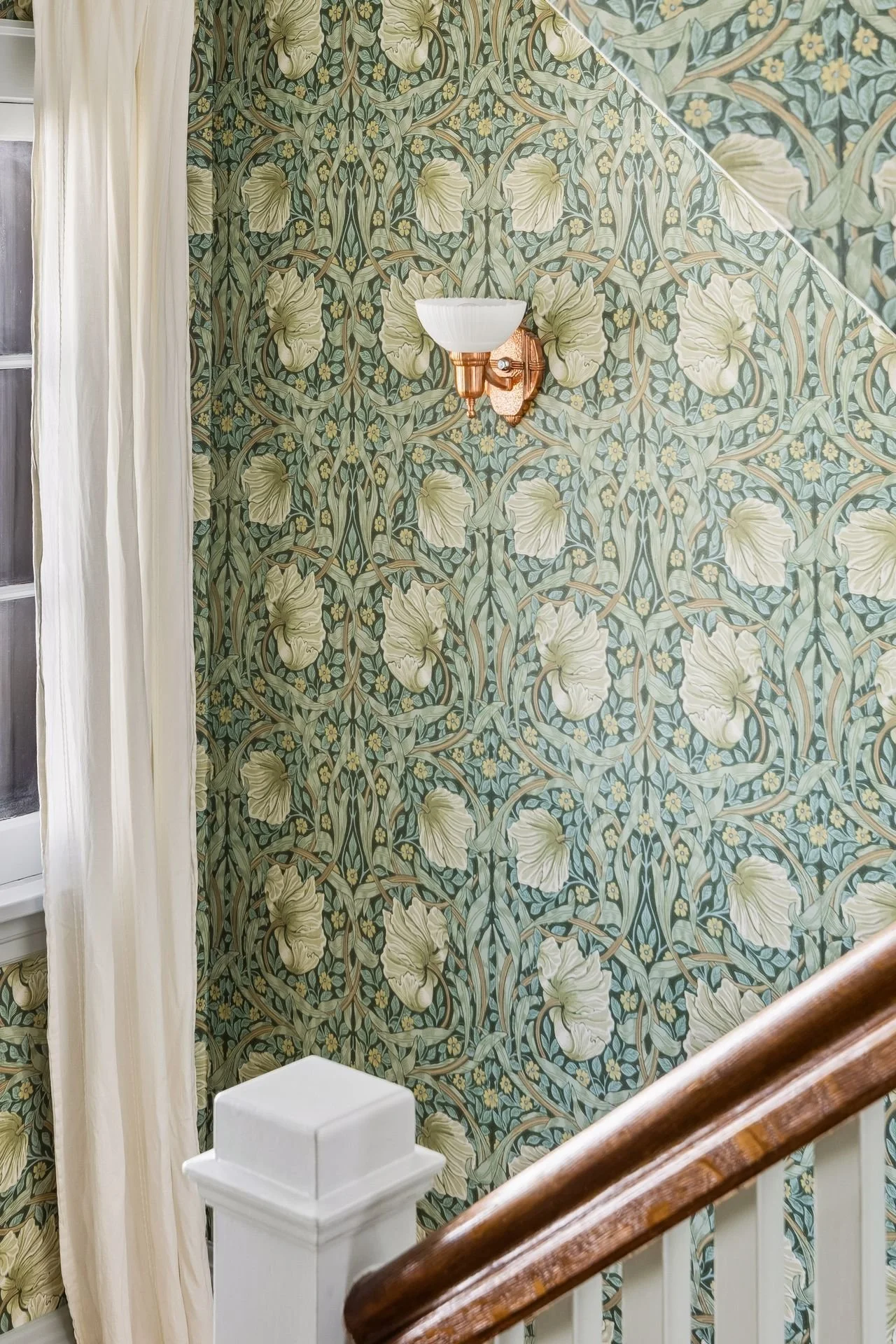
Glass-fronted oak built-ins, heritage hardwood floors, original piano and casement windows, a stained-glass sconce-lit entry, and an intact mosaic tile bath – the things that once made Gar sing had gone quiet after decades of benign neglect.
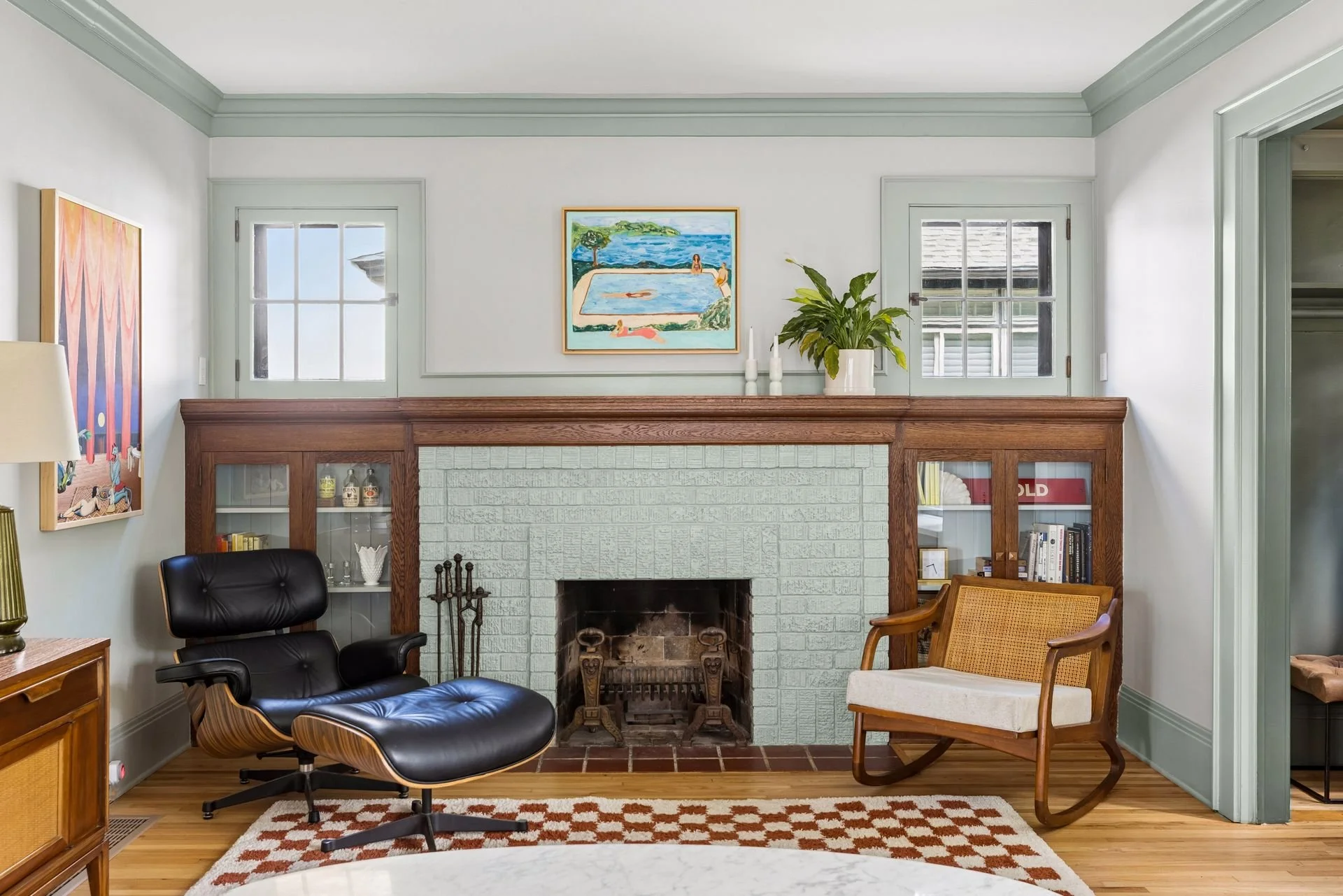
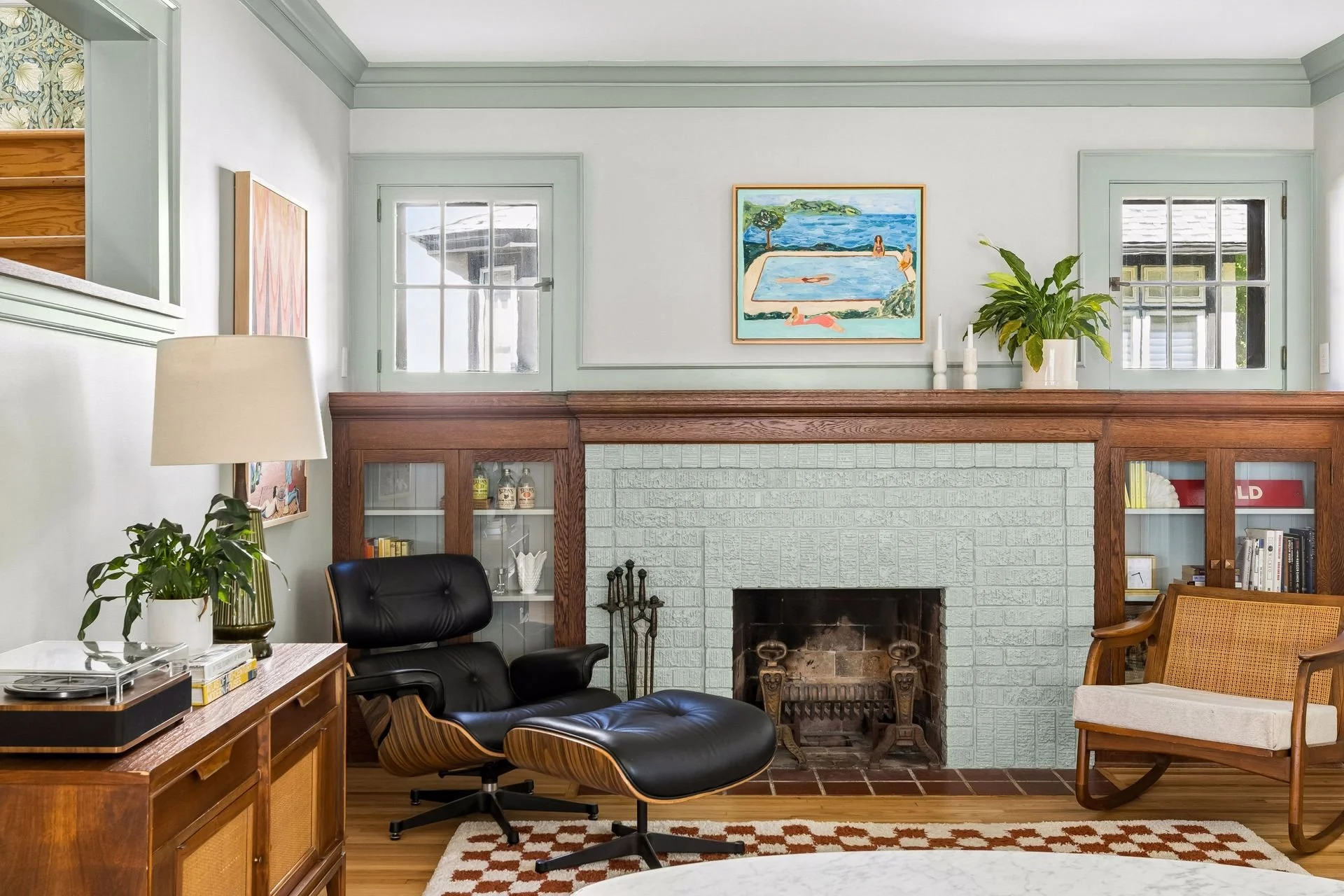
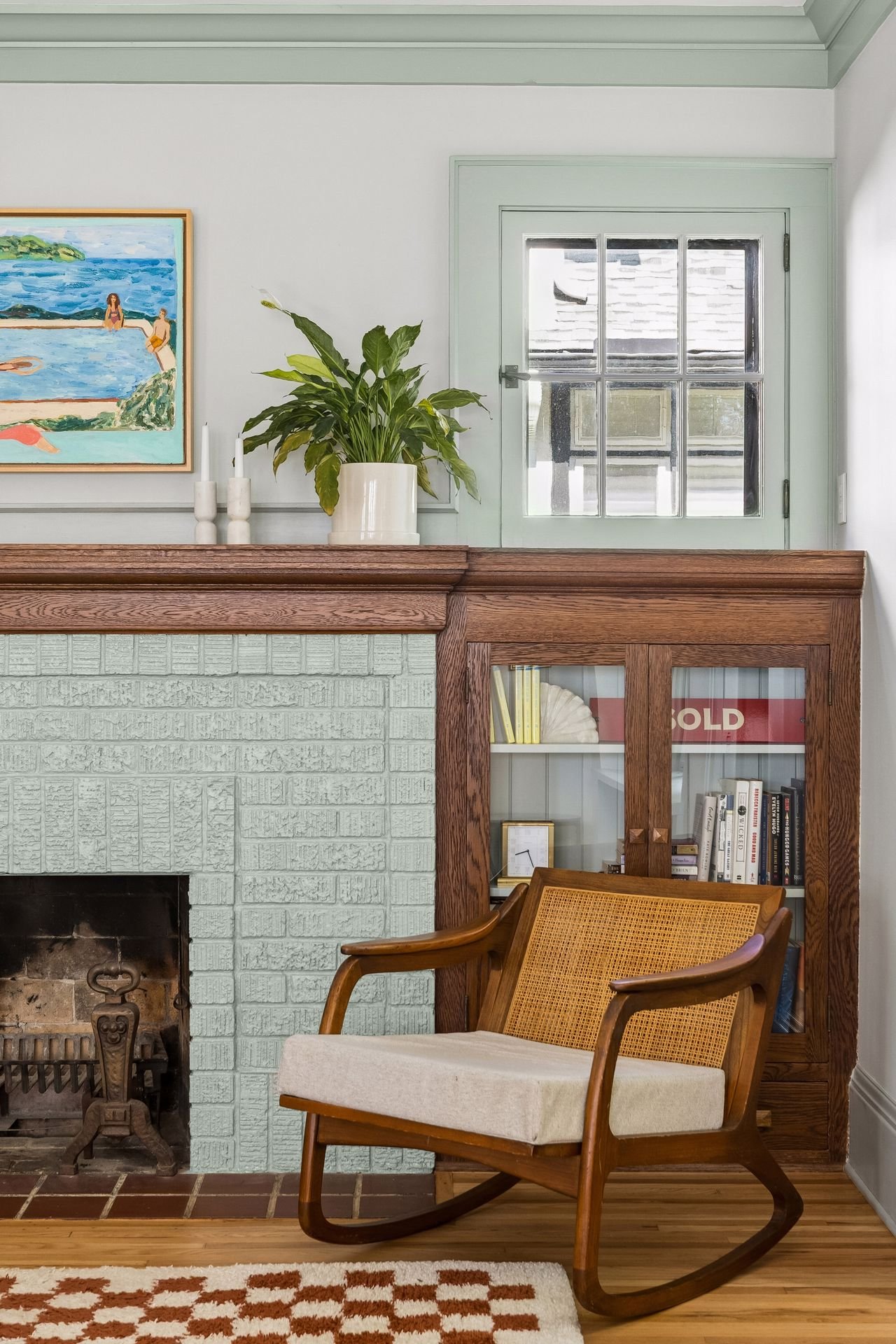
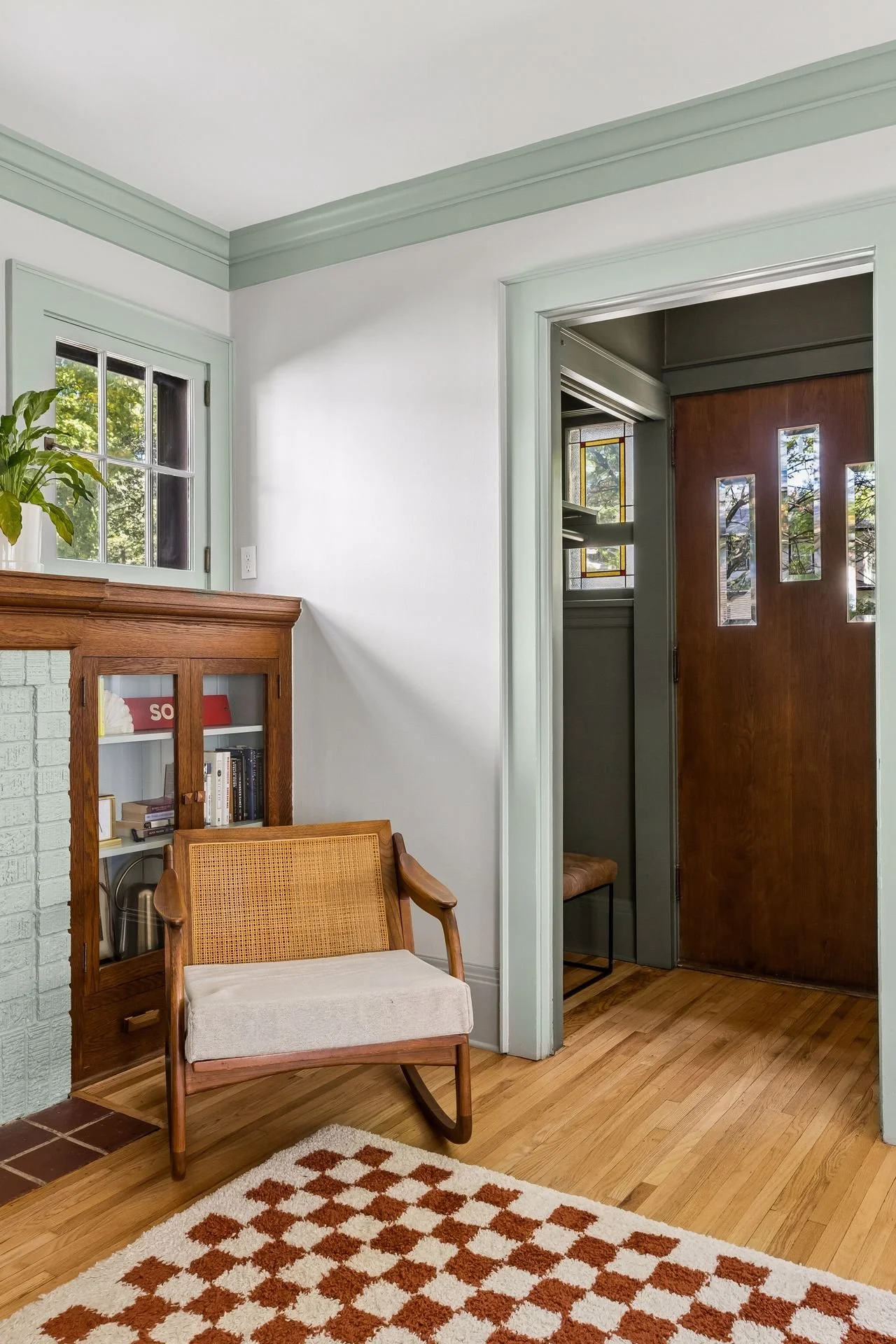
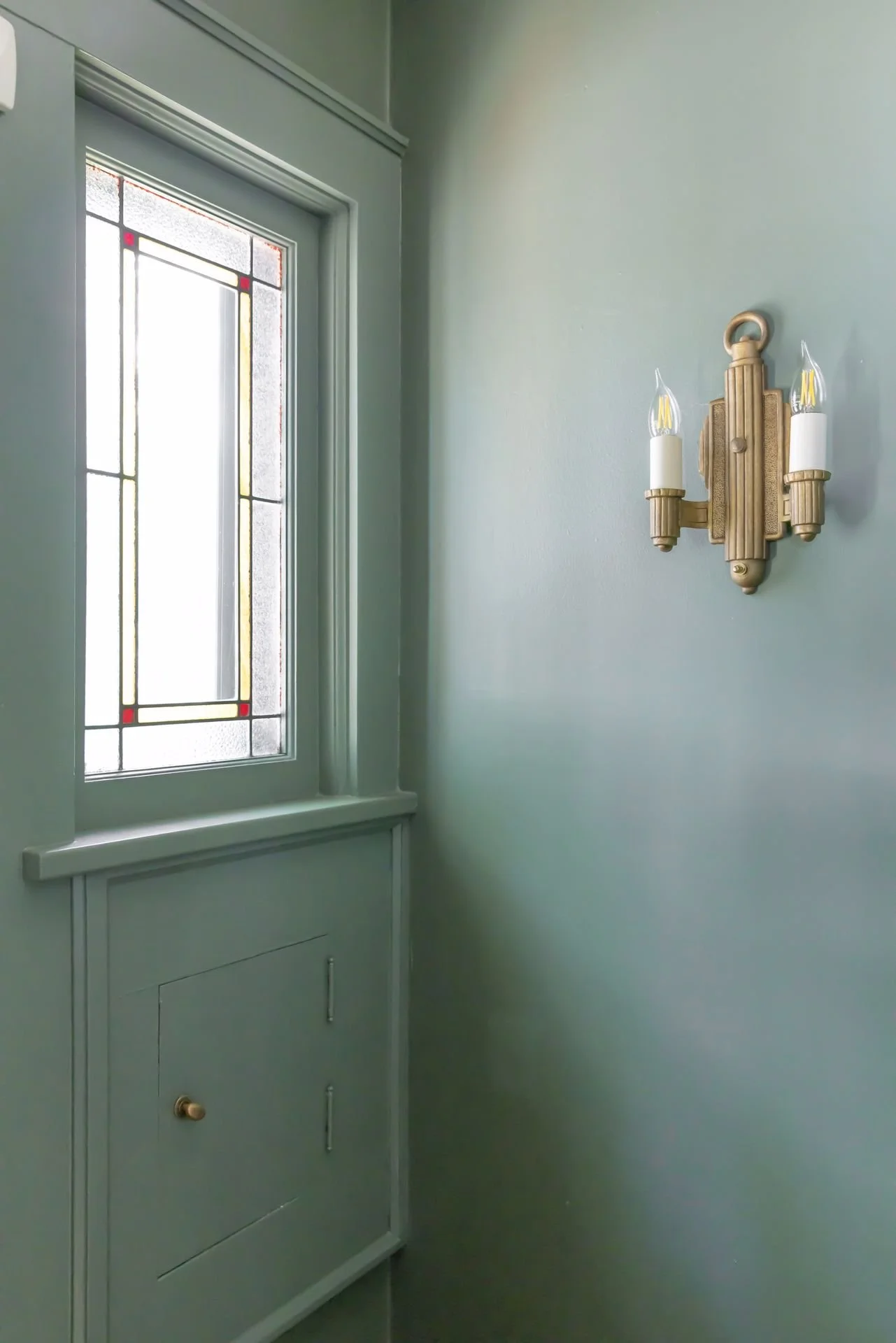
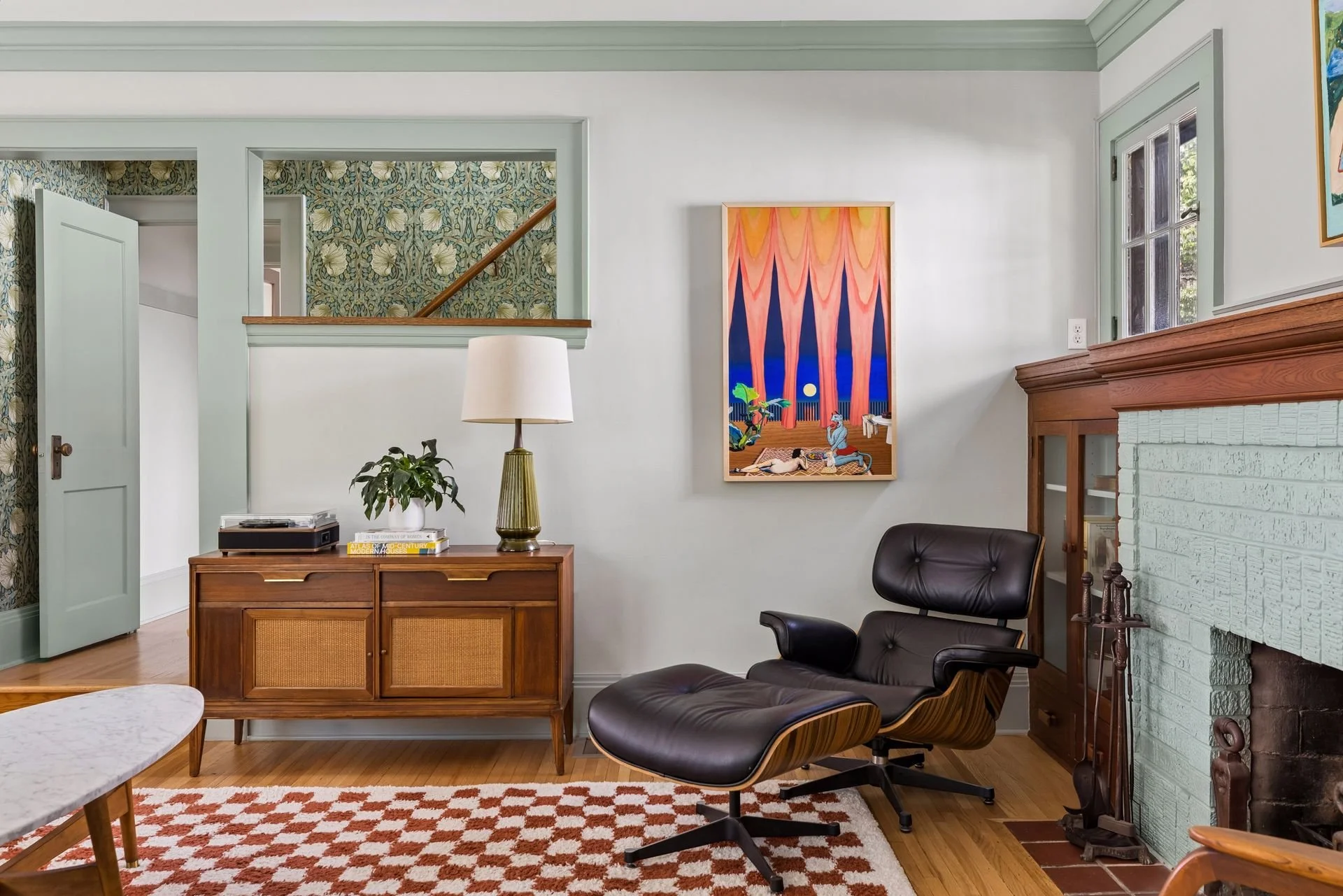
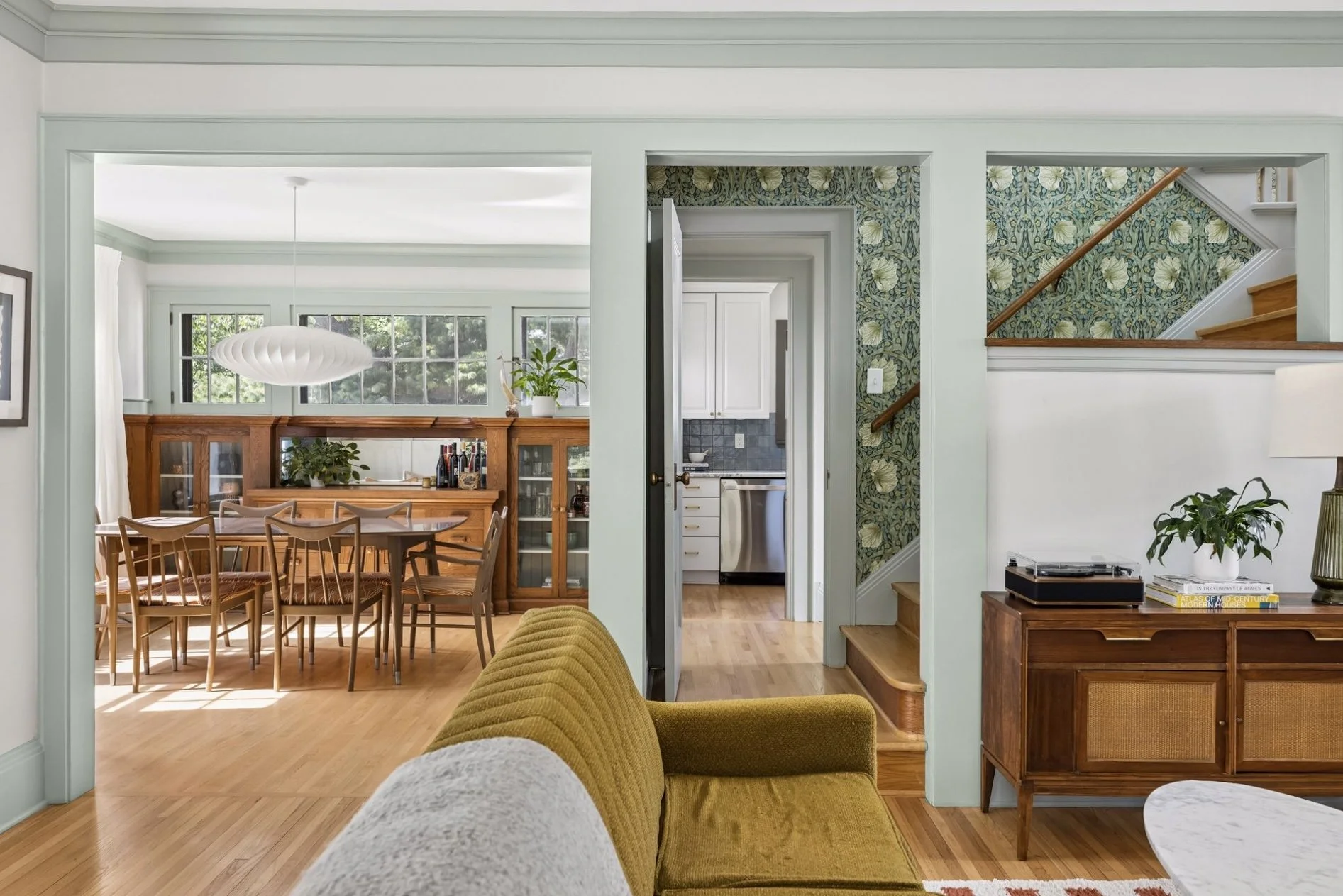
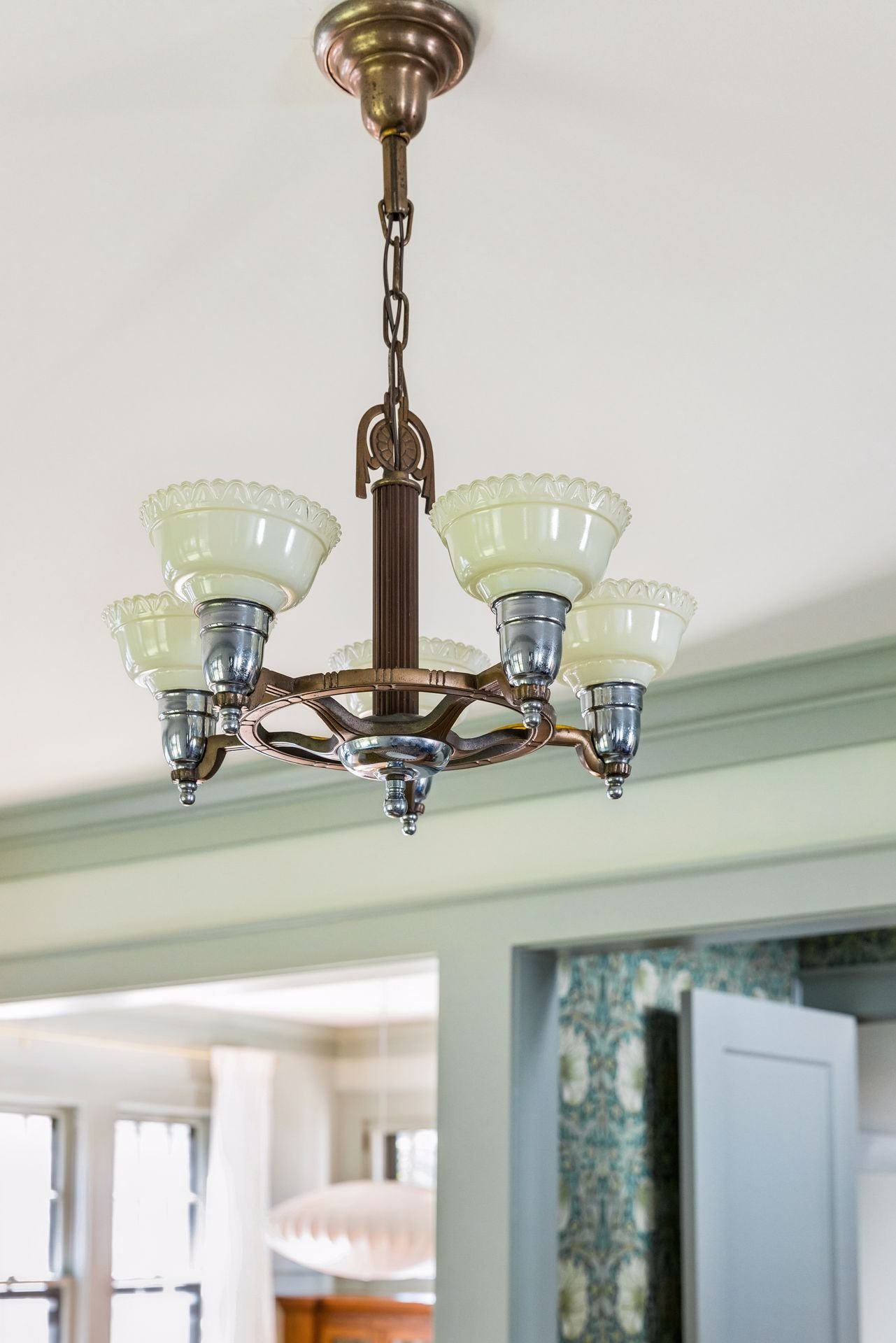
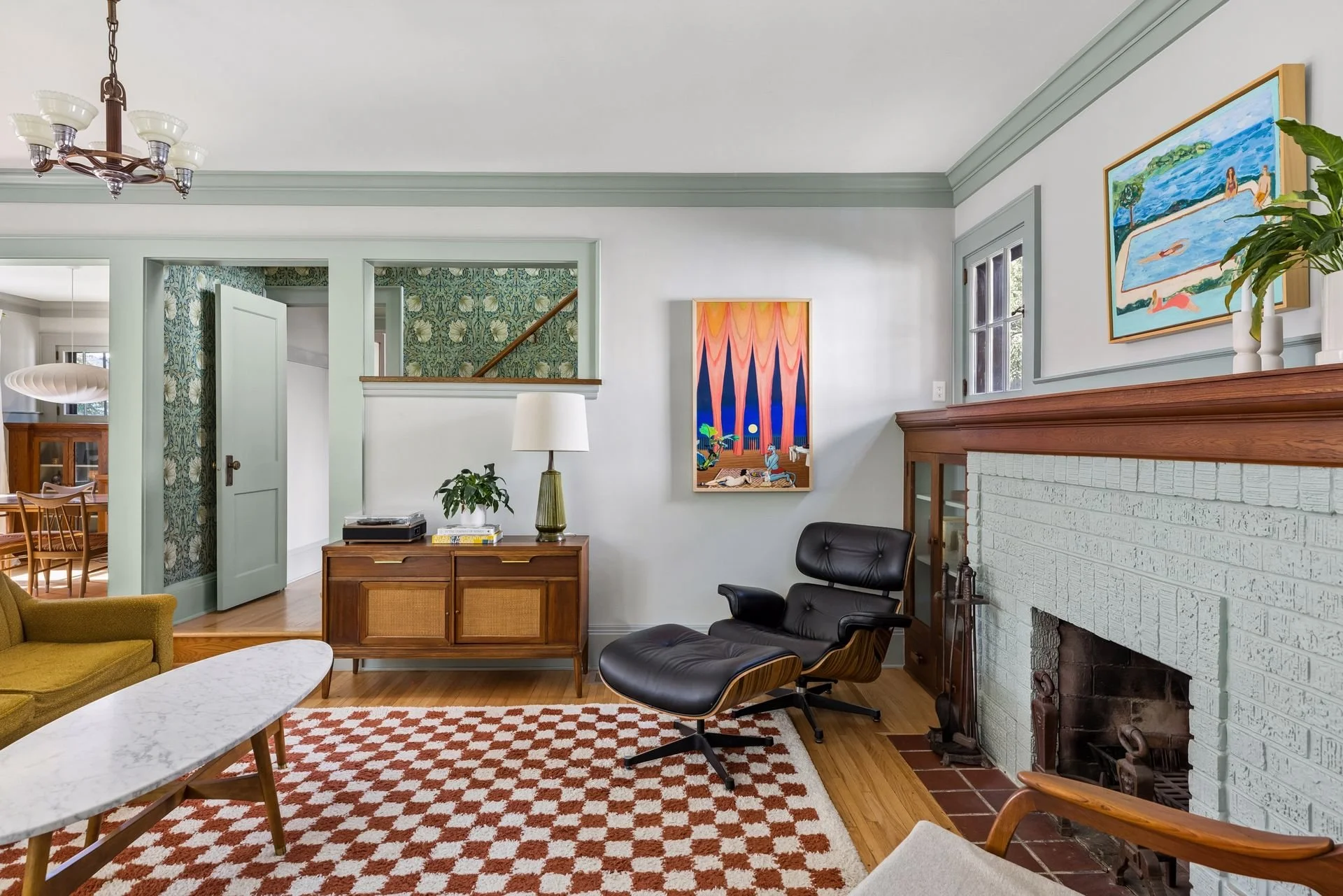
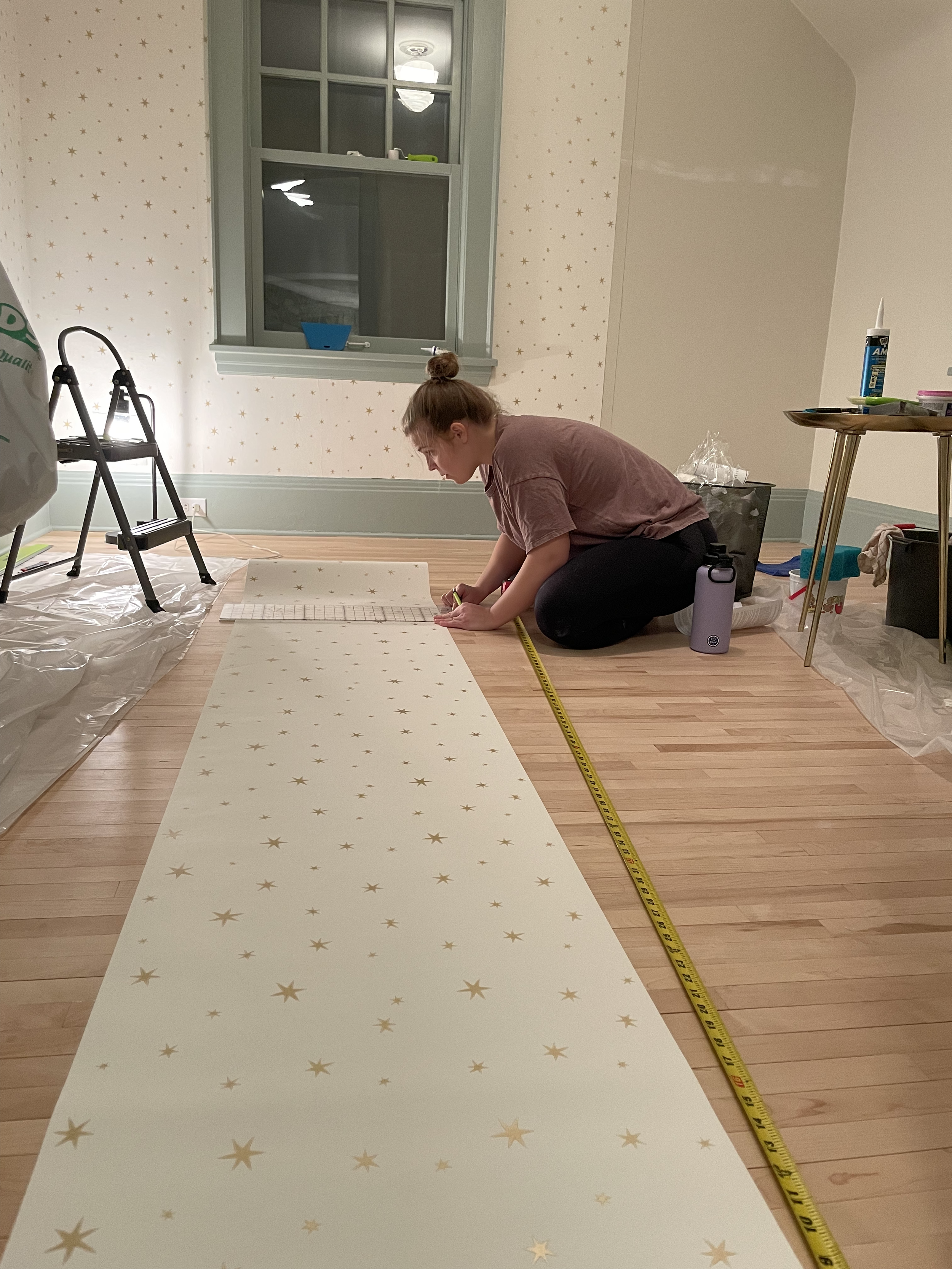
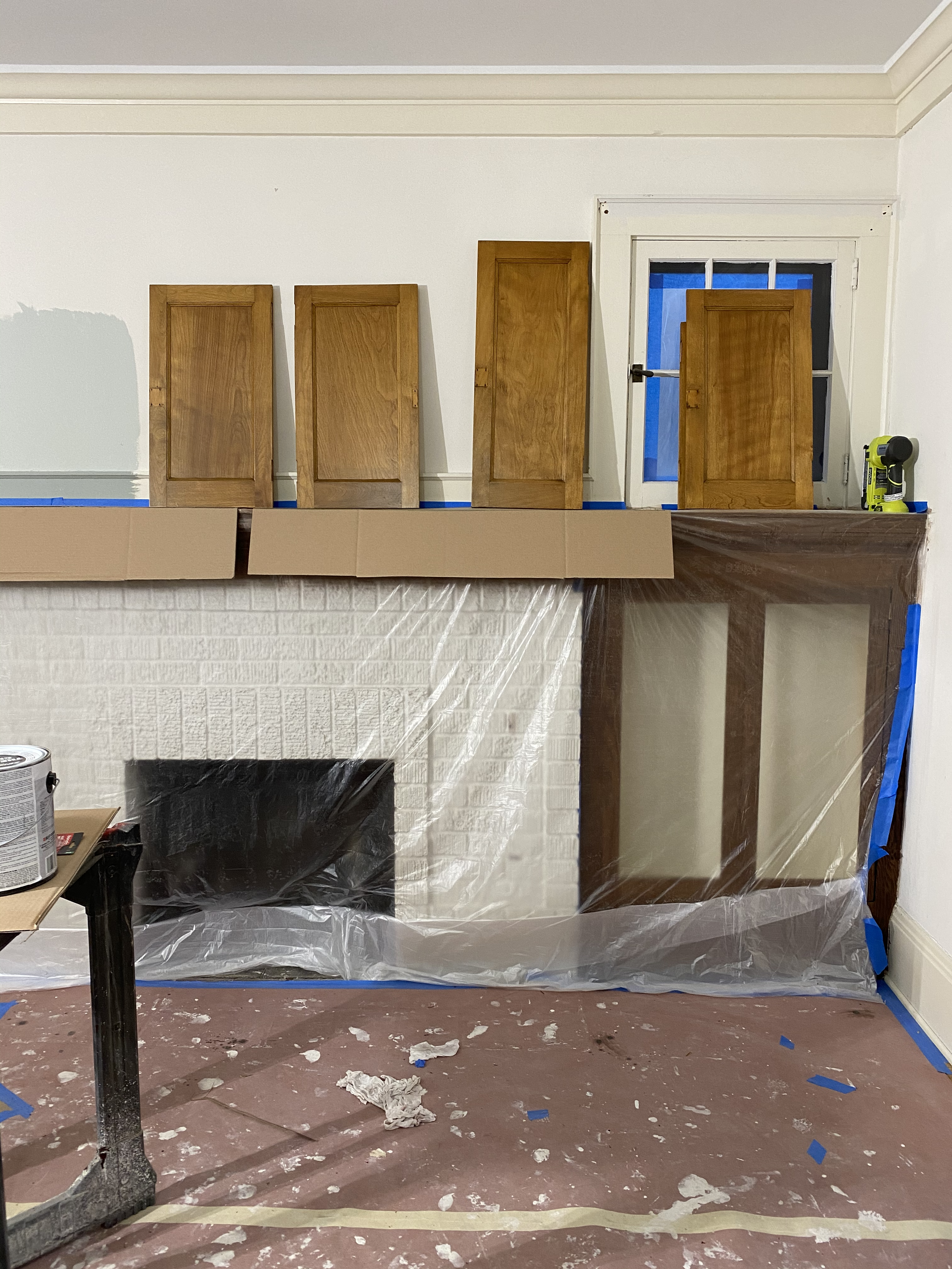
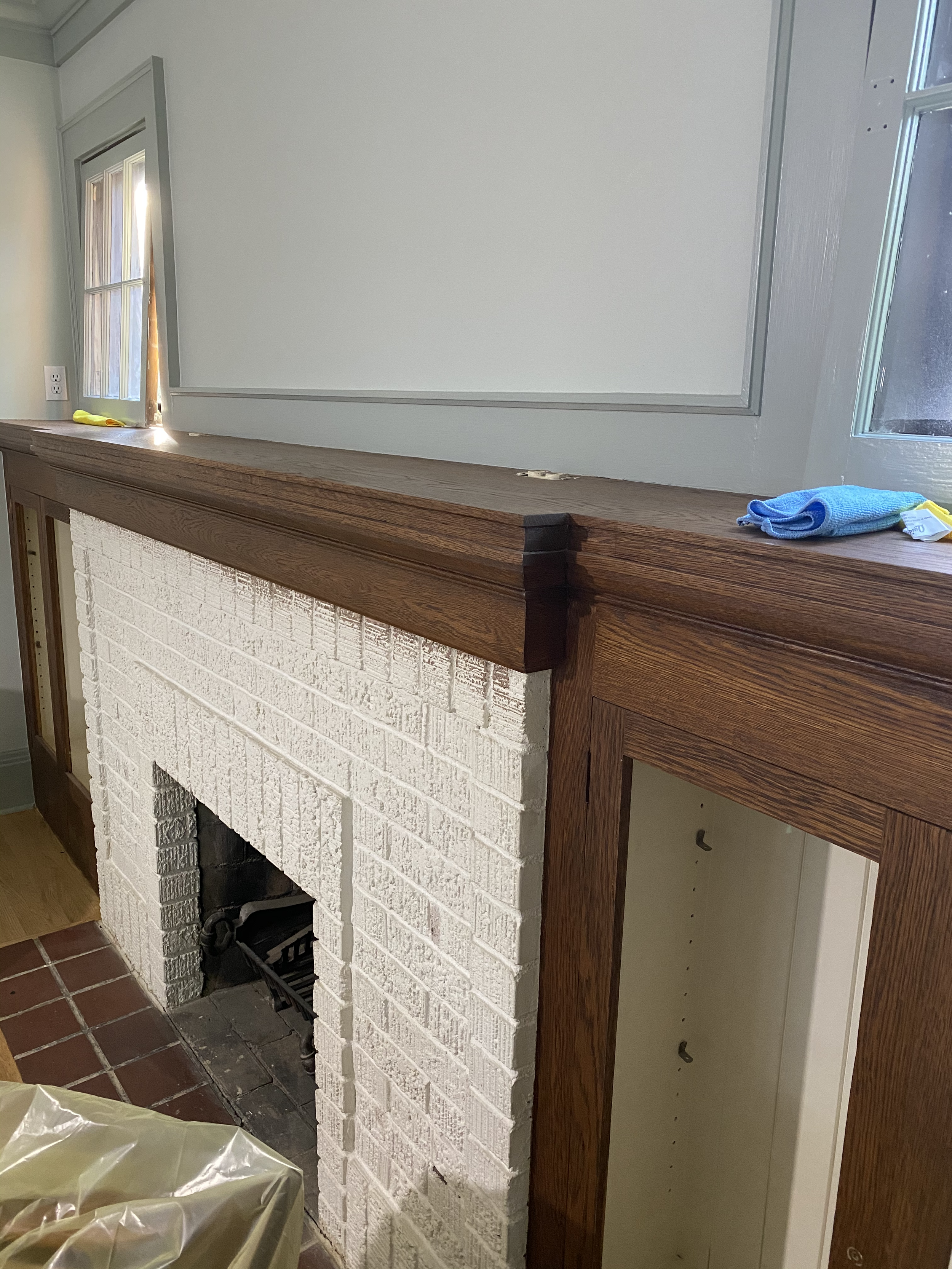
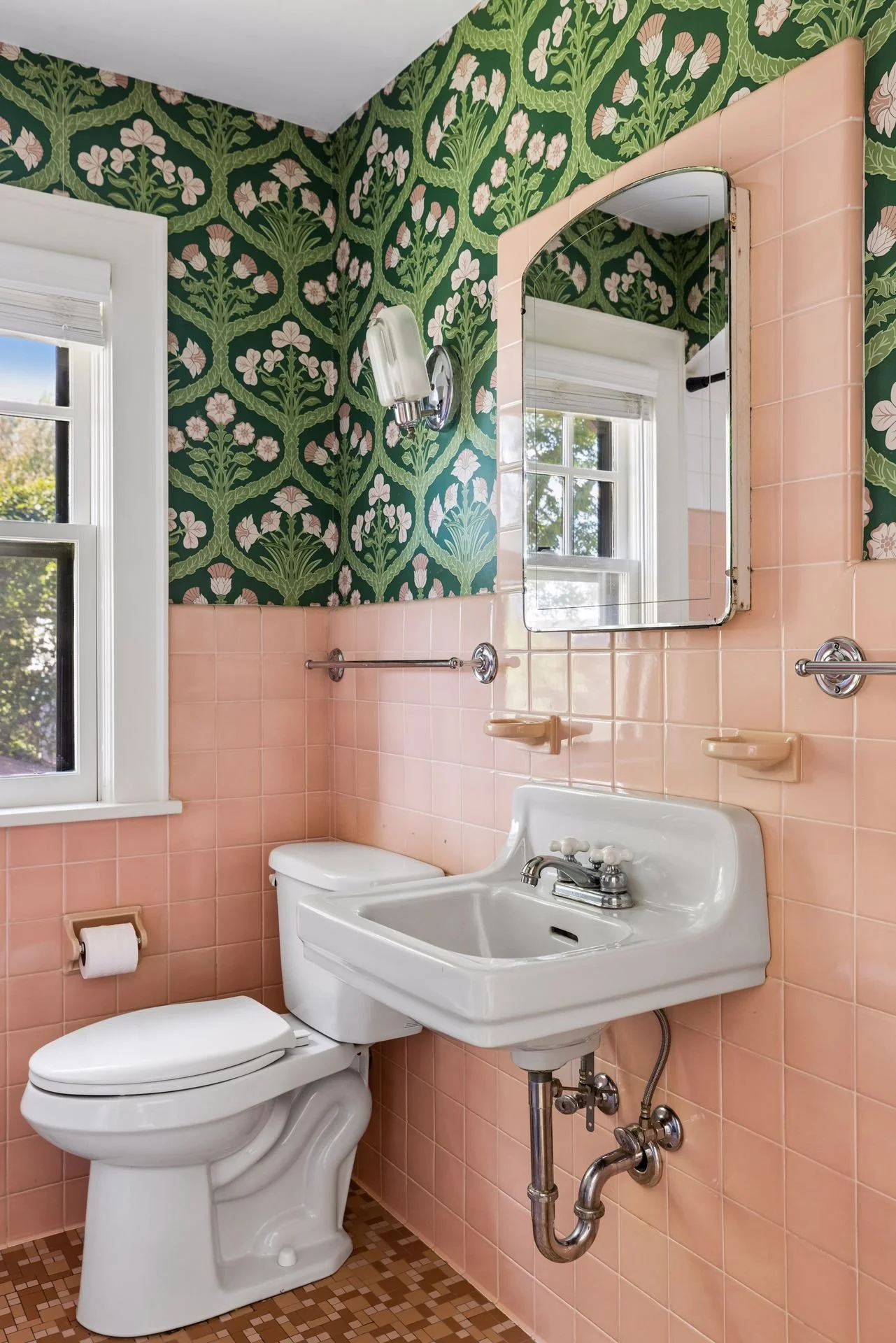
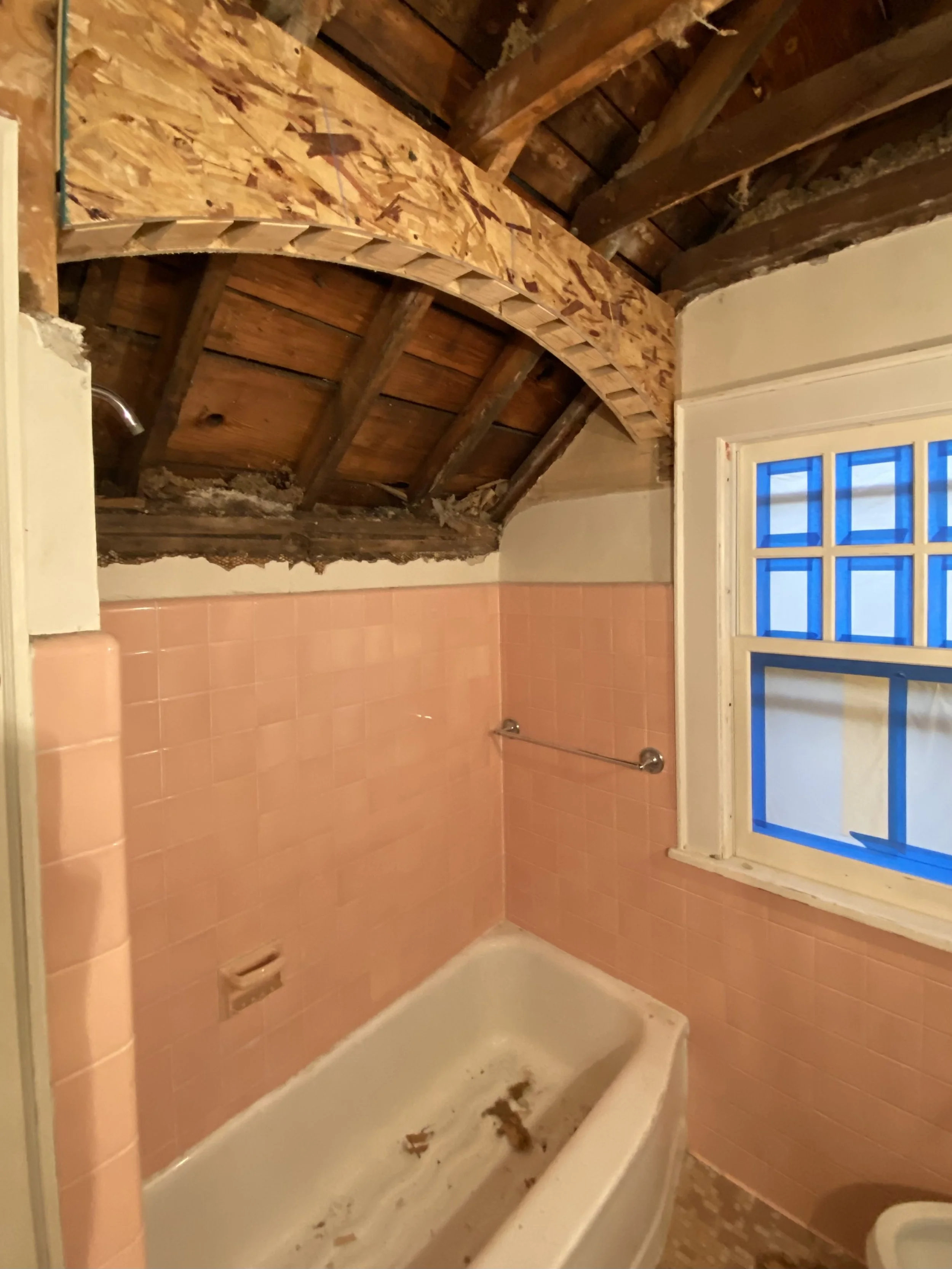
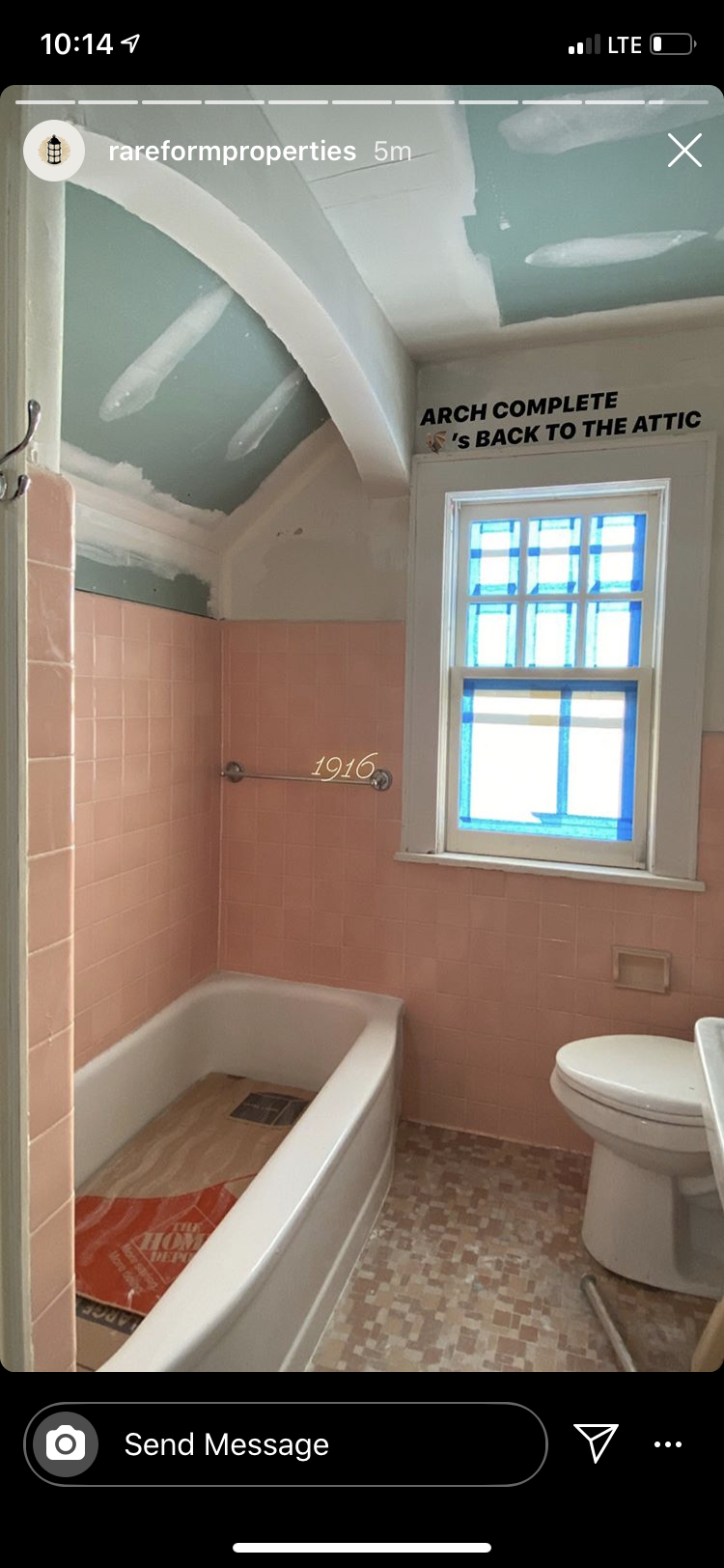
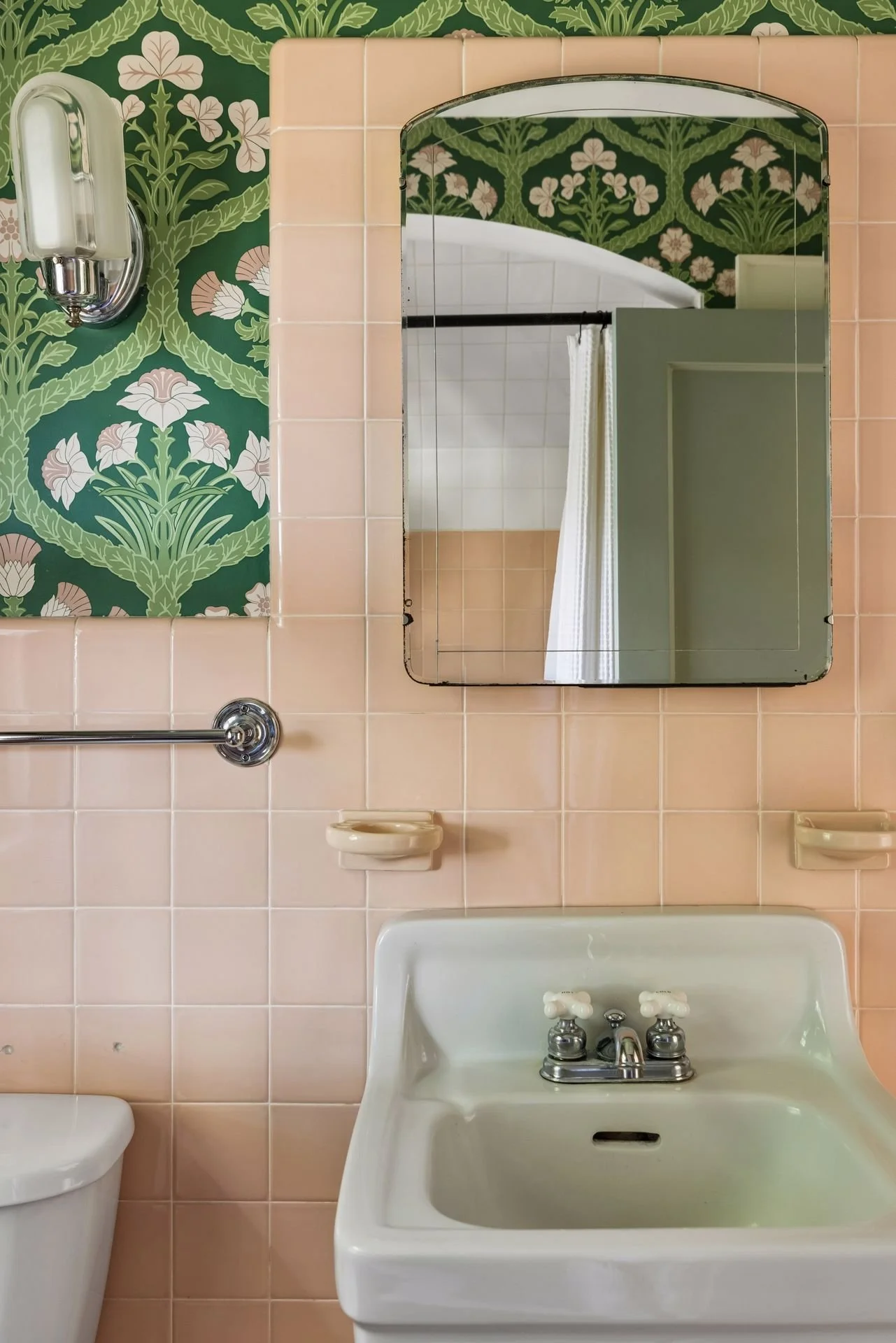
Wisely, Barry and Jordan paced themselves, carrying out their planned improvements in three phases. The first and most extensive phase centered on painstakingly refinishing Gar’s regal oak fireplace mantel, its symmetrical bookcases, and the formal dining room buffet, preserving the grain, profiles, and joinery that distinguish the home’s interior. Also on the agenda were hardwood floors, plaster repairs, electrical work, radiator rehab, and the upper bath, where a newly arched shower opening, sympathetic tile updates, and wallpaper were added to complement the period of the home.
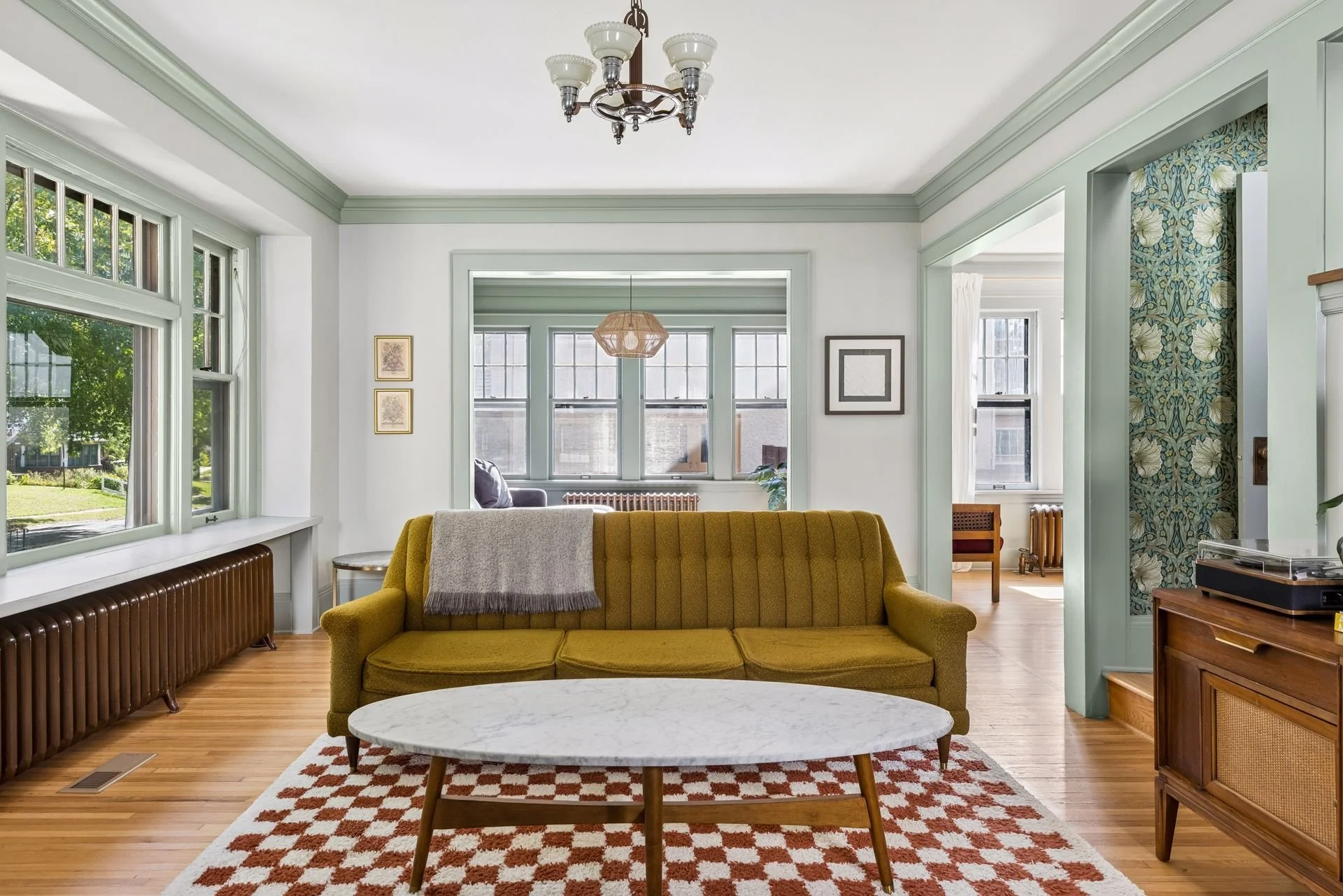
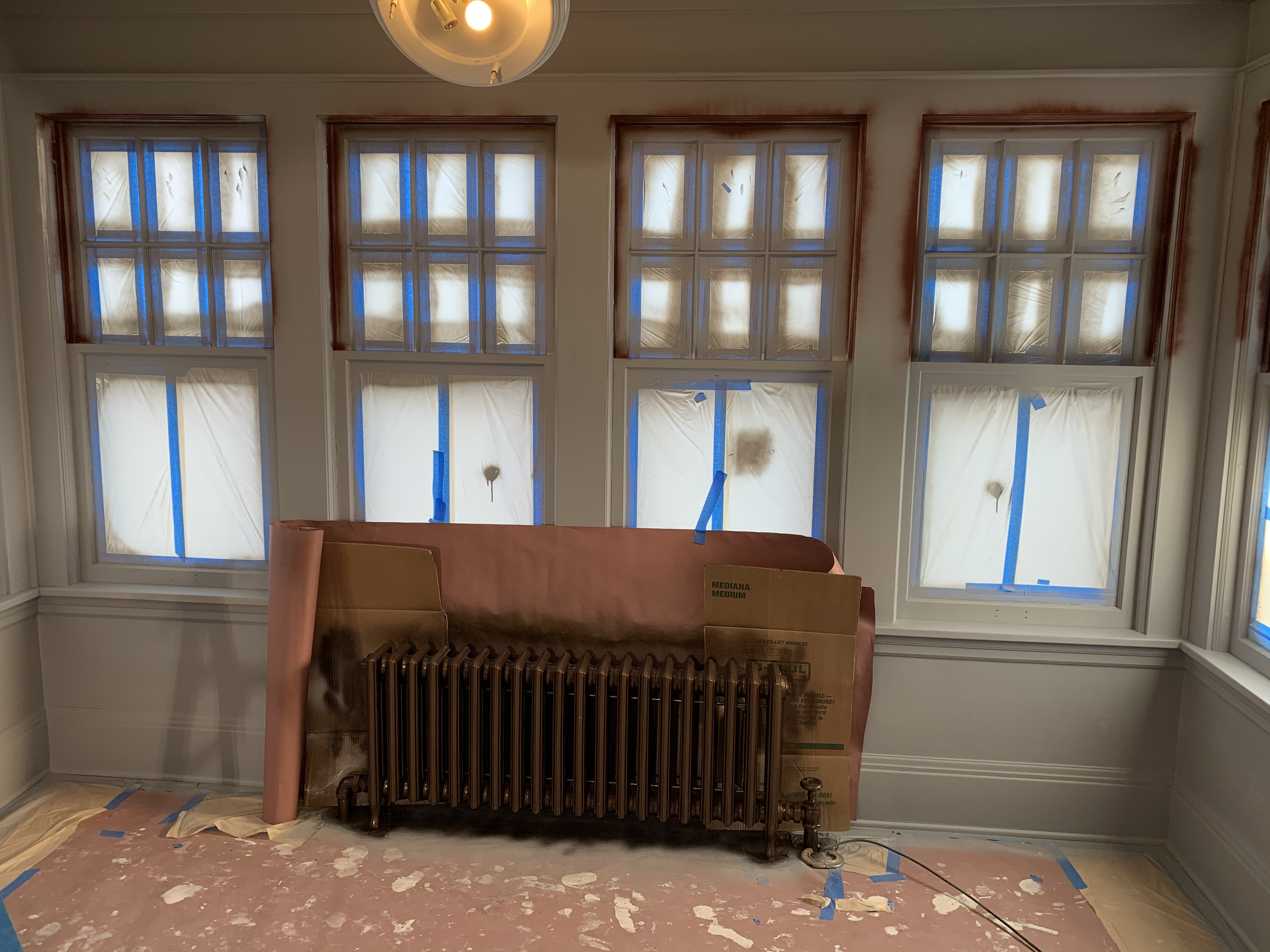
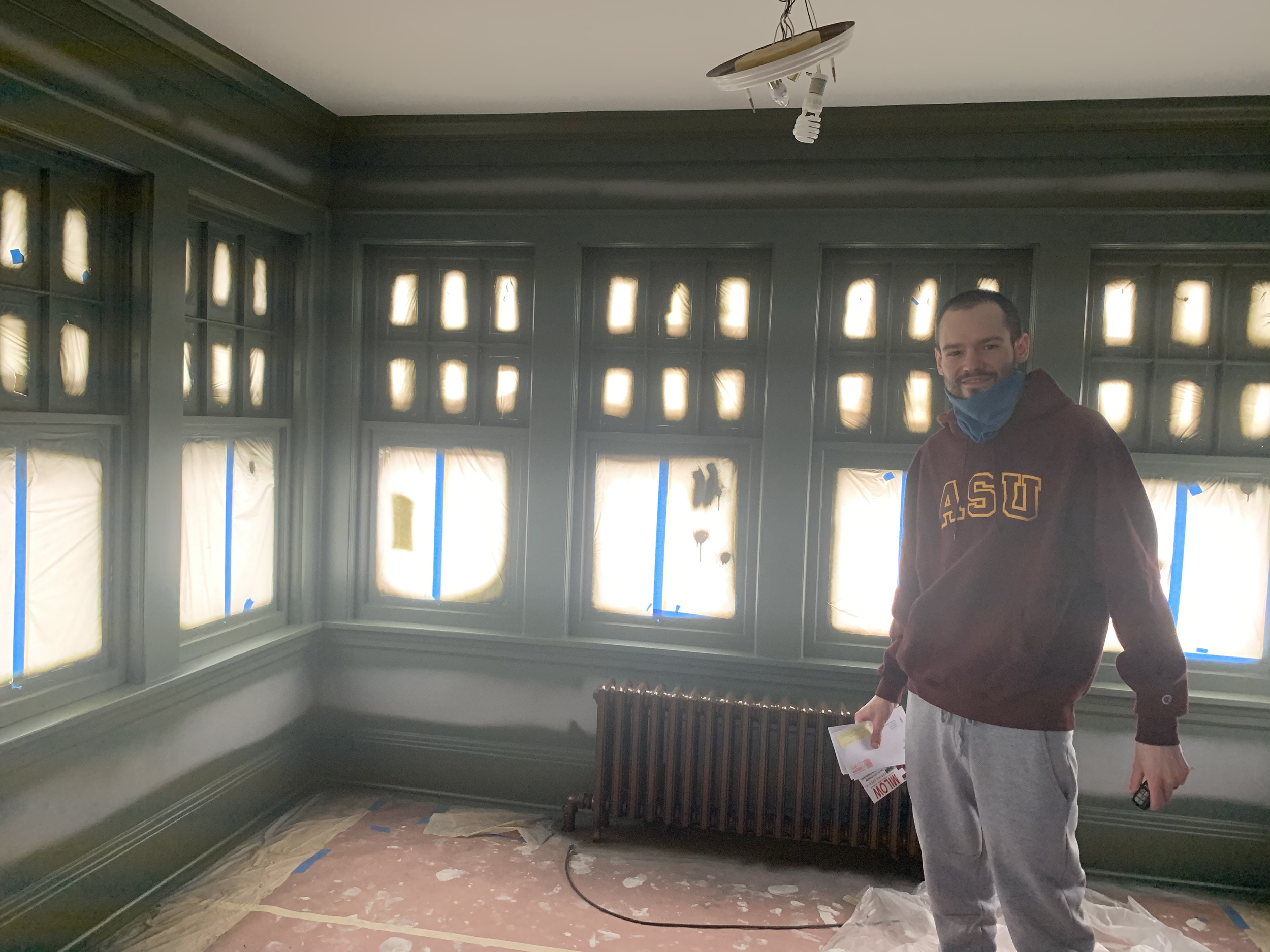
Over the years, and in its found state, Baby Gar had been aggressively whitewashed. That meant, perversely, that Gar’s original trimmings remained more or less undisturbed beneath oil and latex. It goes without saying that paint is wretchedly tedious to remove. Yet between wholesale demolition and careless modernization, paint is still the lesser of those evils. With skill and with tenacity, it can be remediated.
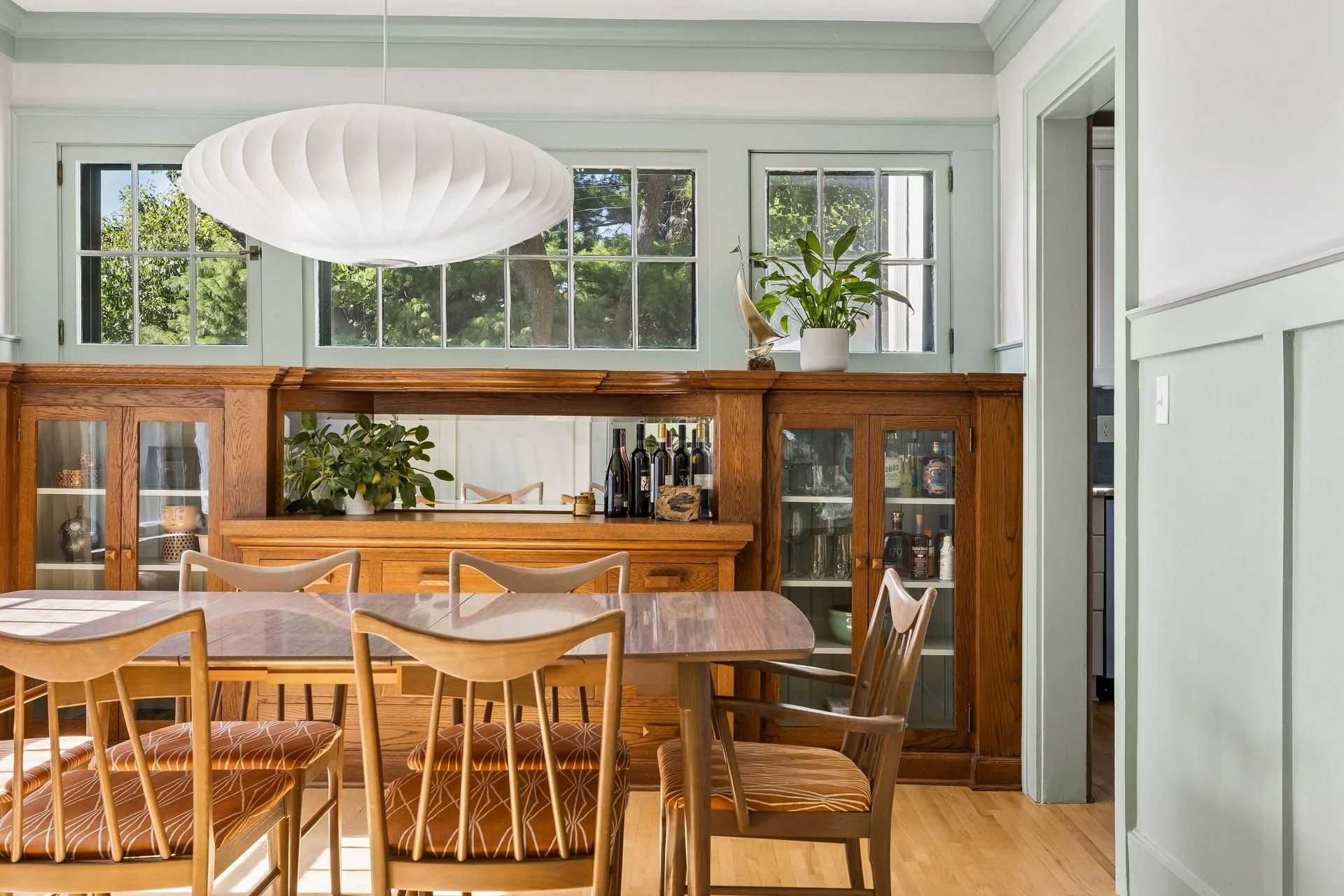
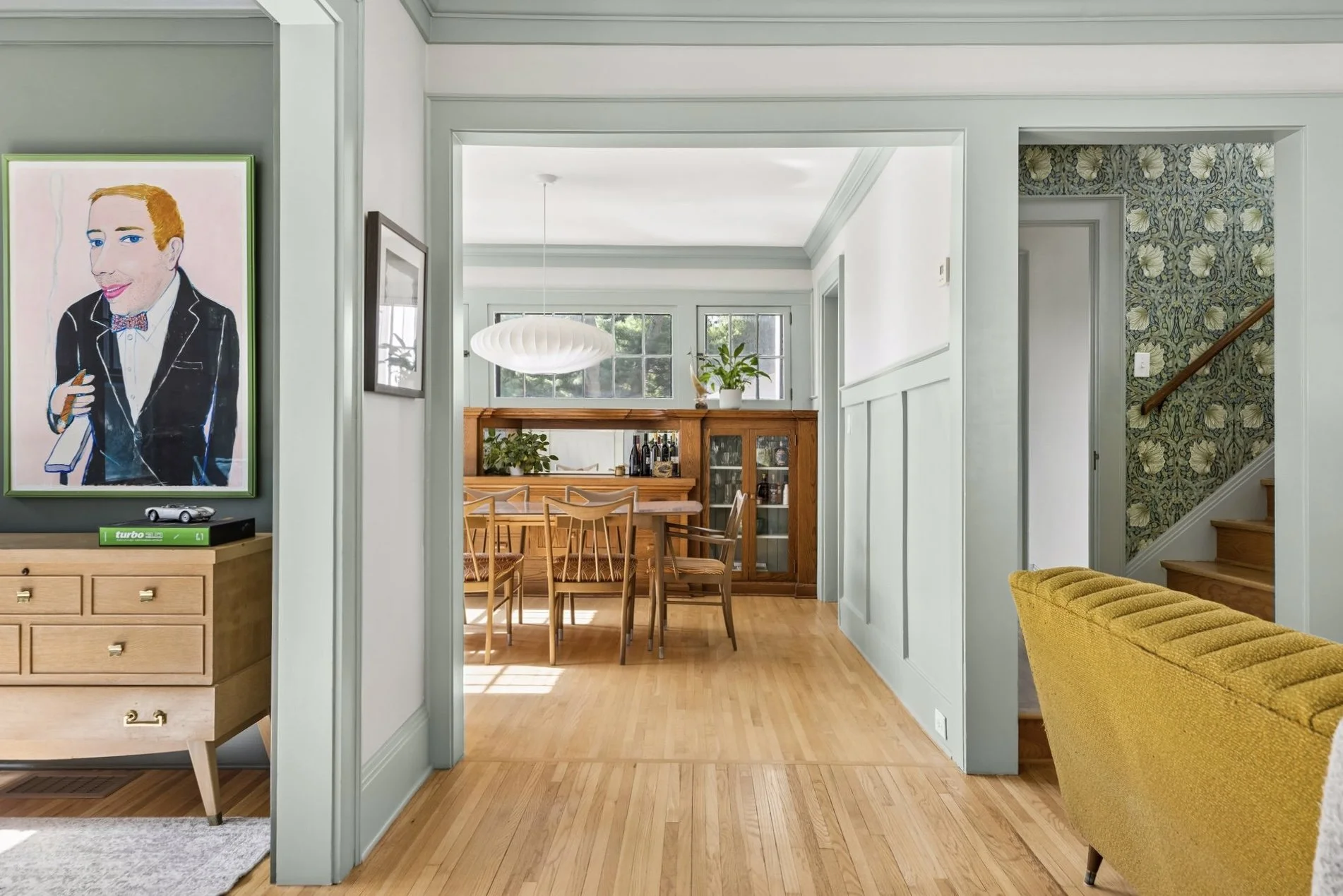
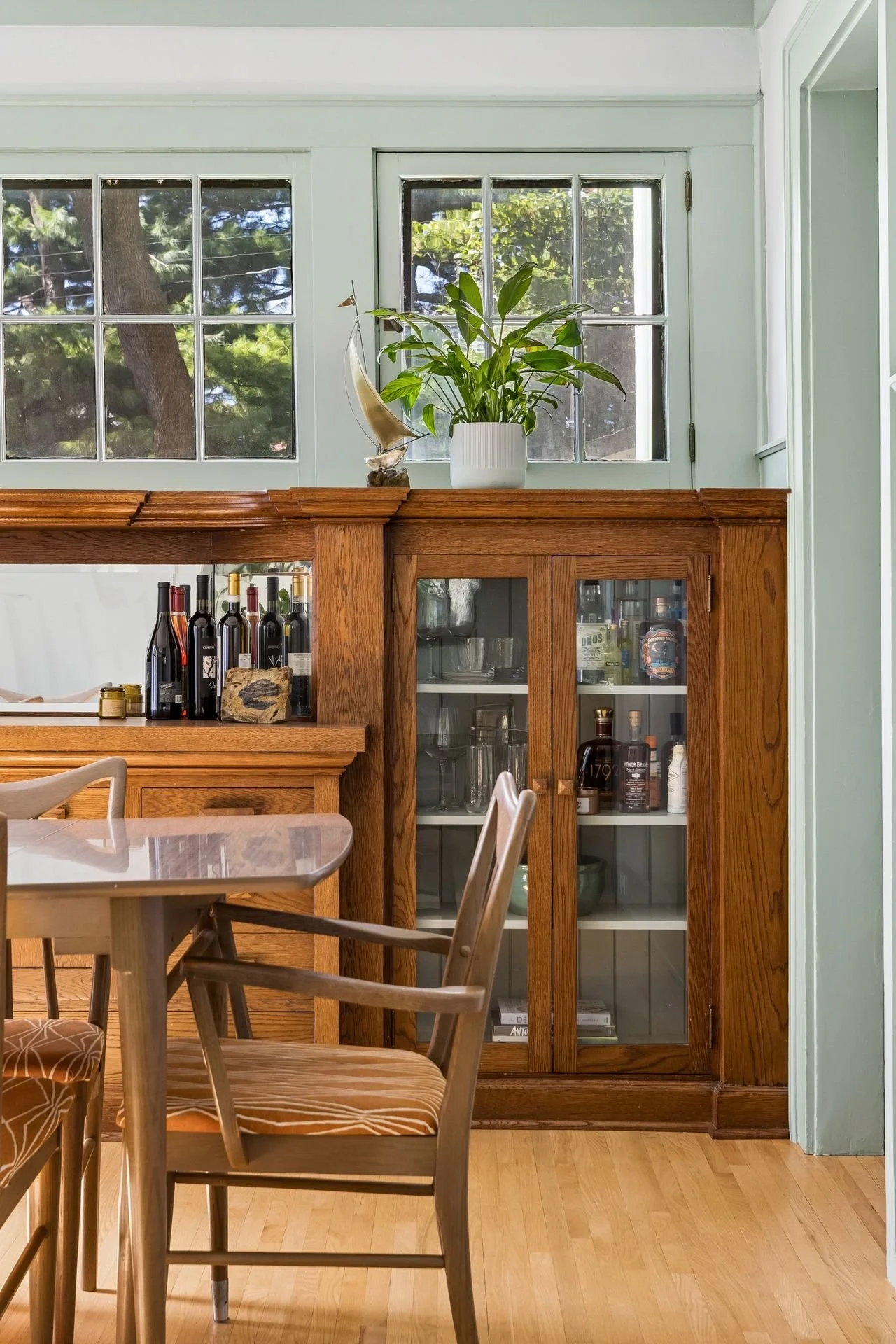
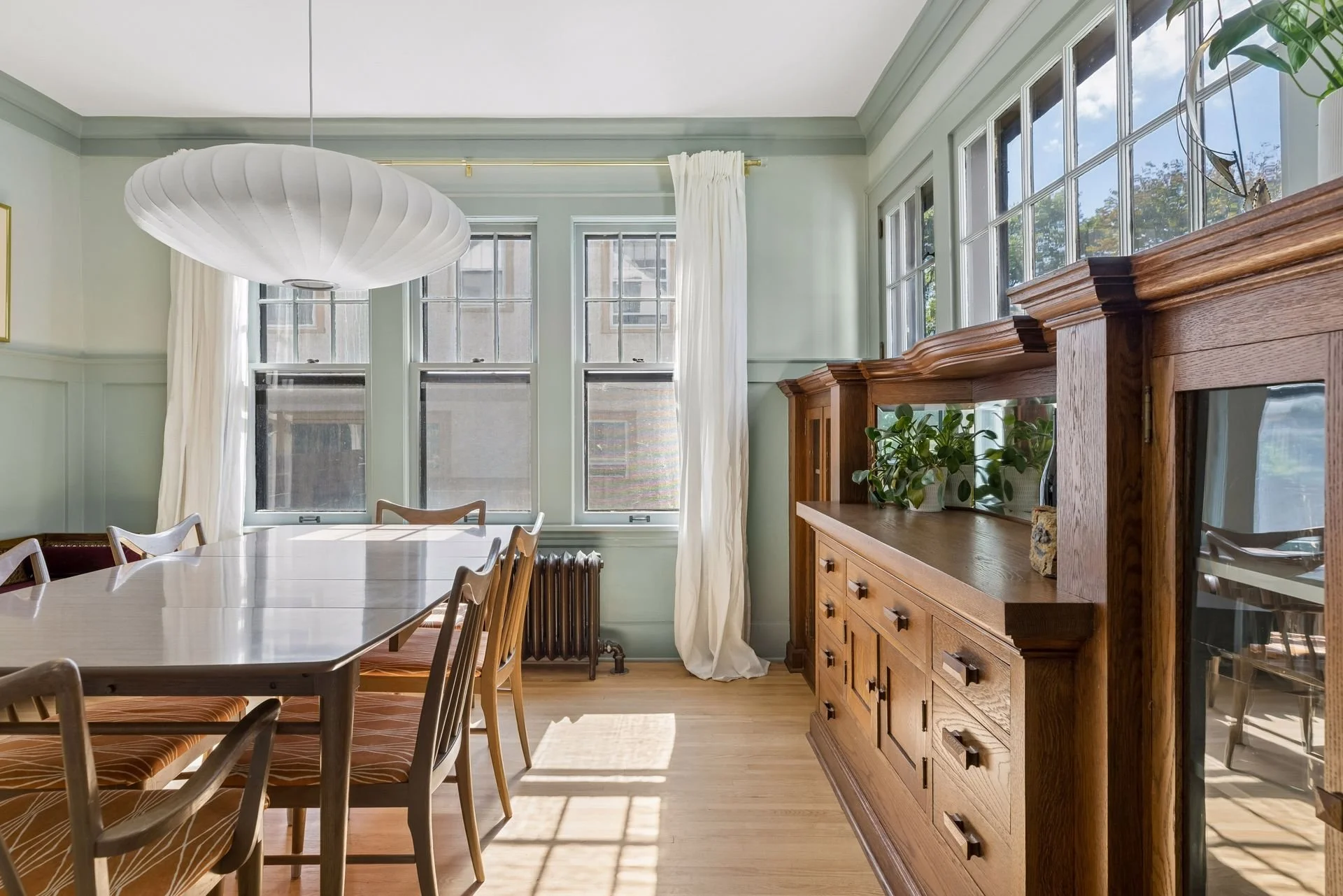
Enter El Capitan, who, as Barry and Jordan recall, arrived with an arsenal of dentistry and archaeology tools and proceeded to spend three straight months camped out at their house coaxing and finessing the millwork.
These were Covid times so visits could only happen infrequently. Many weeks later when they walked back into the space after the majority of the woodwork had been stripped, Jordan remembers how thoroughly transformed the home felt. Surely a labor of the possessed! For it is madness and sheer love of the craft that motivates one to attempt this sort of work.
All credit belongs to our captain Perez, Rare Form’s spiritual leader and woodworker savant since 2010. His method is exacting: fine tools and picks, enormous patience, and particular attention to the details easily lost in a less careful refinishing.
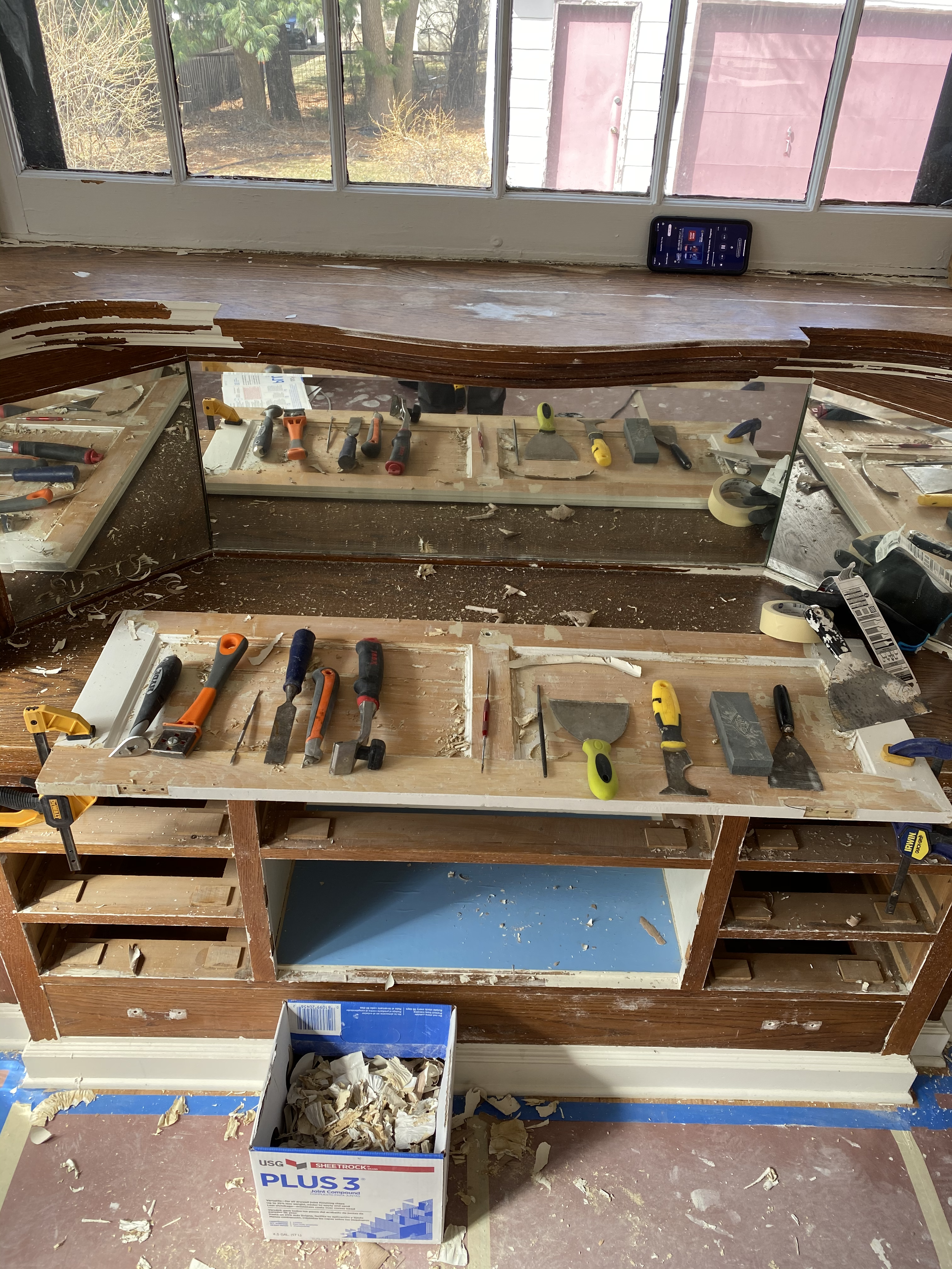
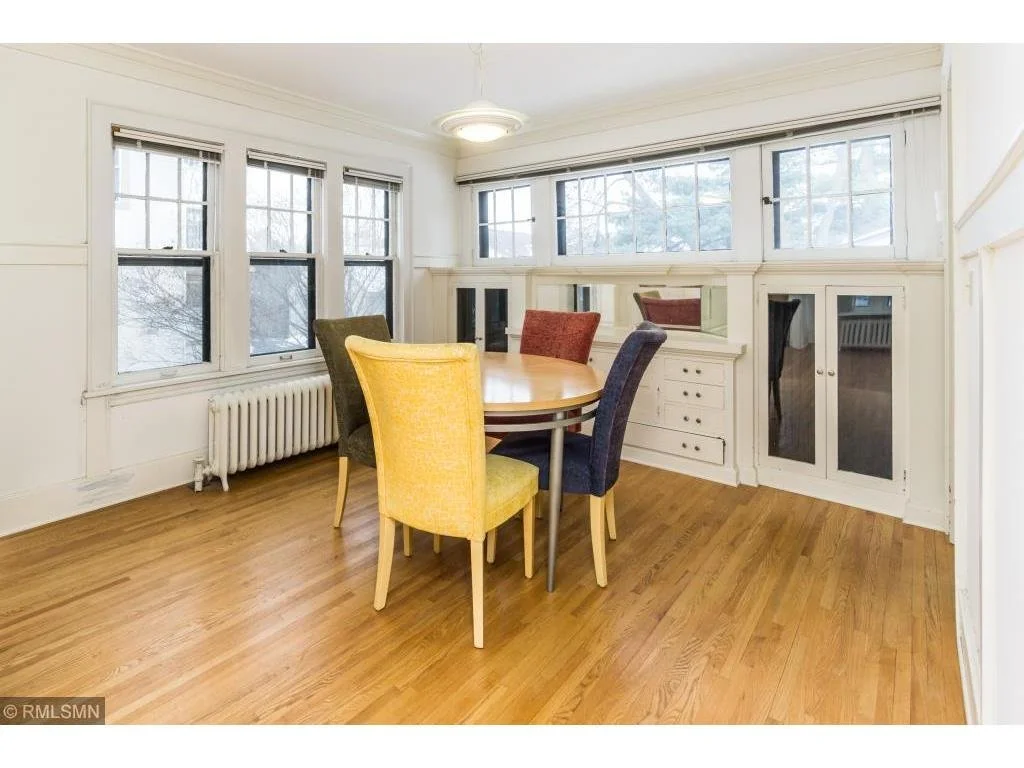
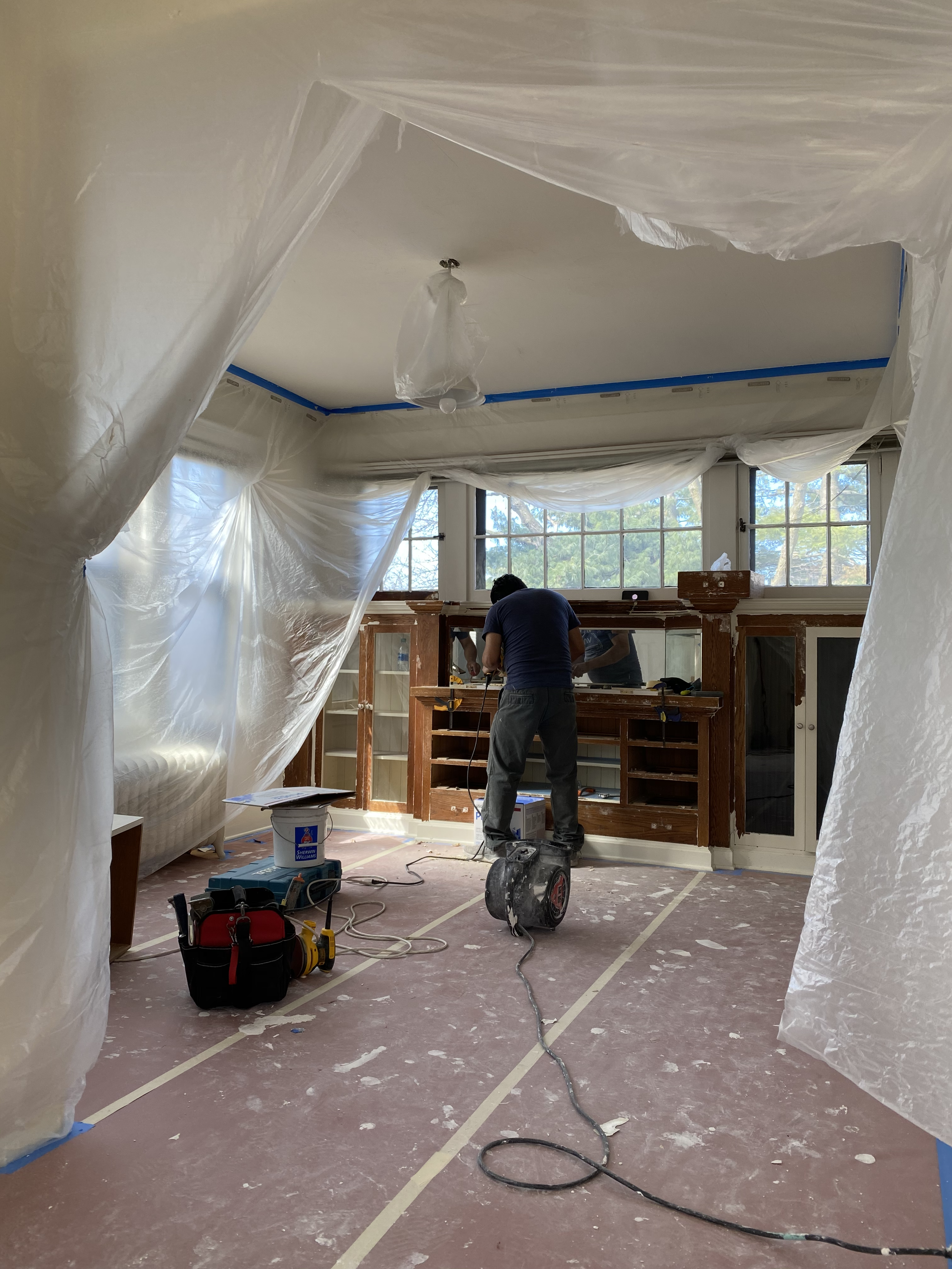
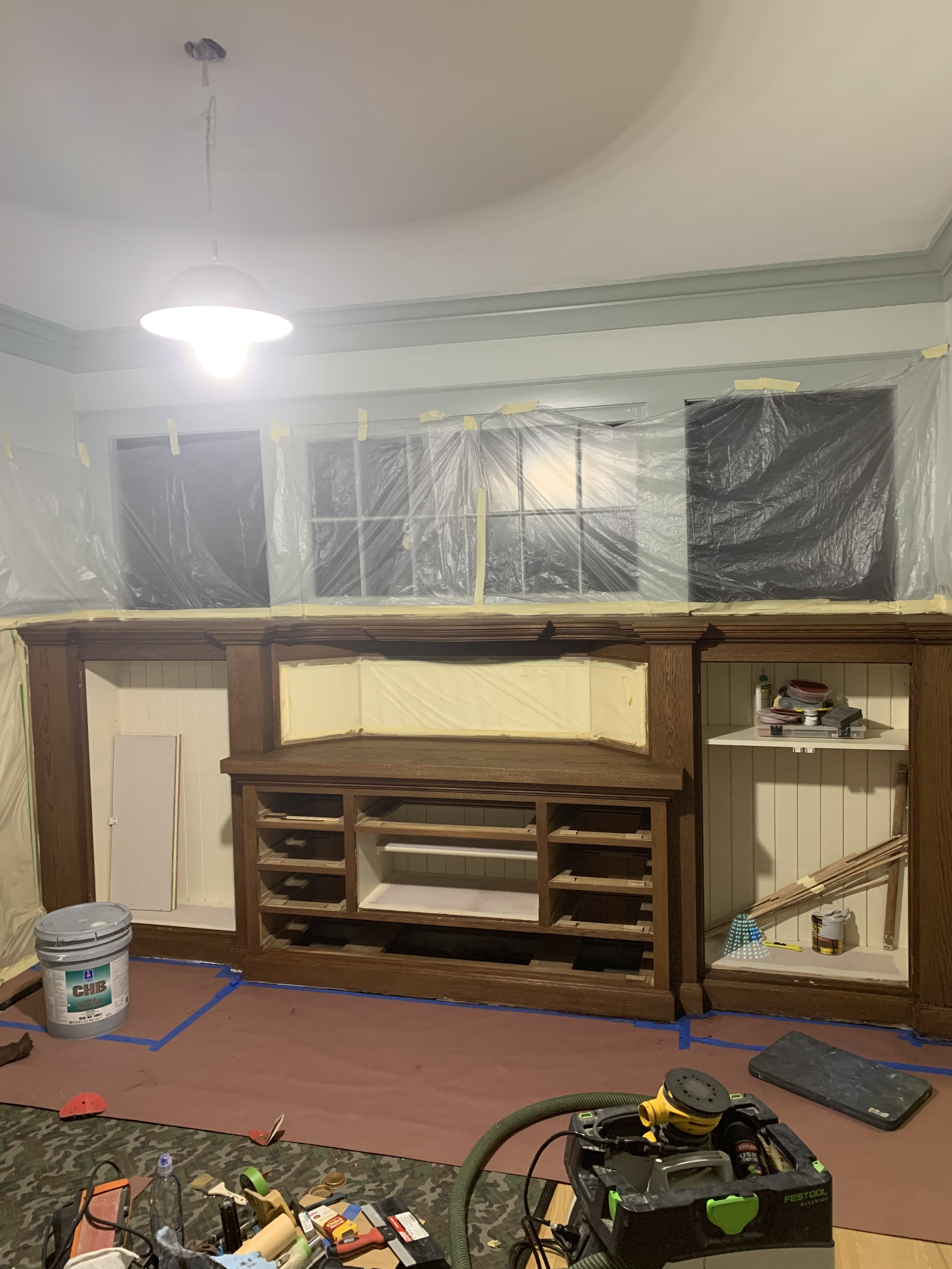
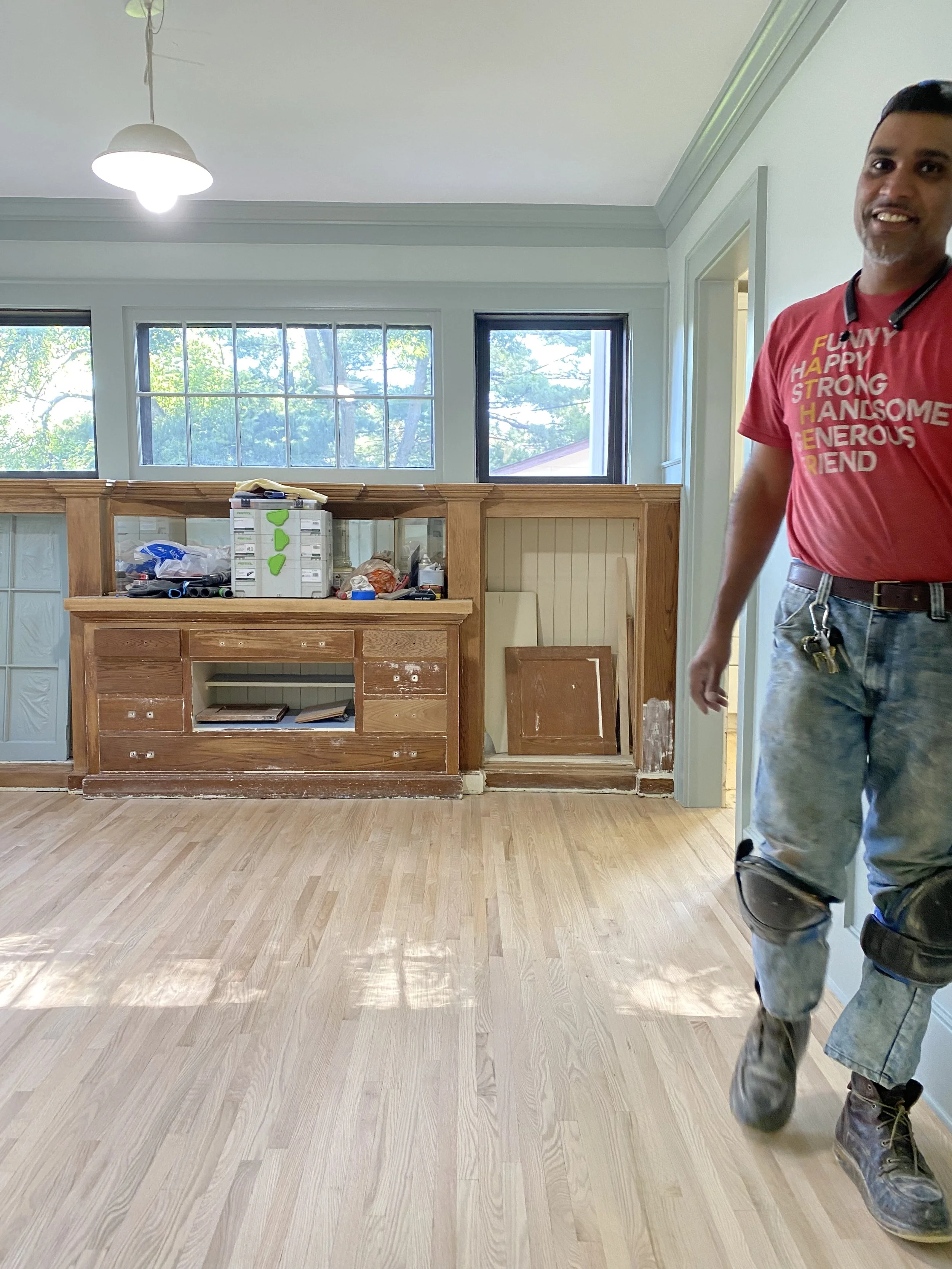
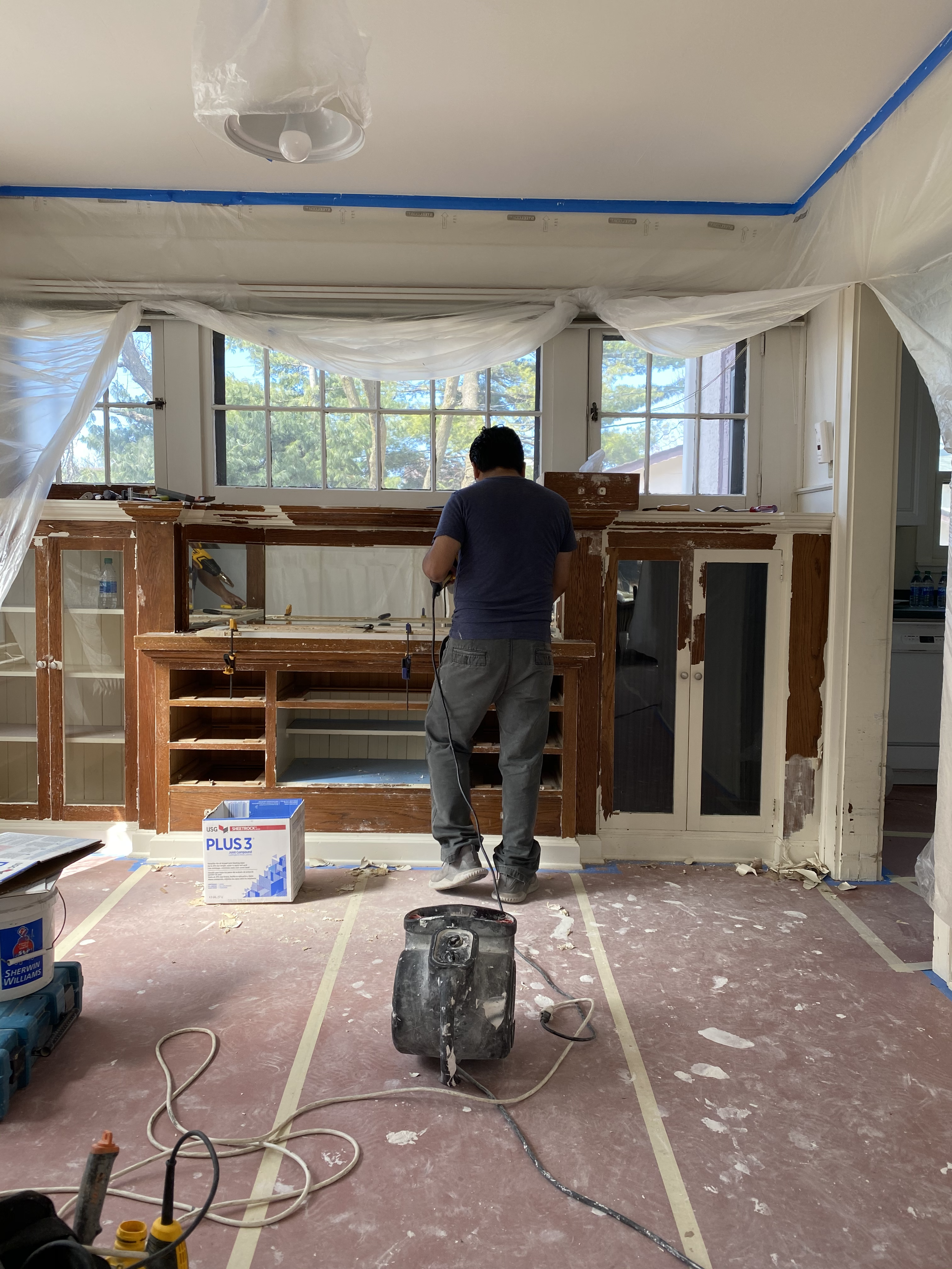
But, why not strip all the wood then? It’s a question Barry and Jordan innocently asked before work commenced on Baby Gar, and equally a question that gets posed to us each and every time we share a story like this.
The necessary ingredients are time, resources, and skill. All of which are in short supply. By force of circumstance we have to be selective in our scope.
If anything, Baby Gar shows how much effort it takes to undo even a little bit of slapdash paint. Months of work returned two (immaculate! enviable!) walls of wood. The dividends paid are never about scale, rather the intensity of their impact. Baby Gar, Jordan says, left them with “just a deep deep deep appreciation for the work and love and attention that goes into caring for historic homes. That educational piece has stuck with us.”
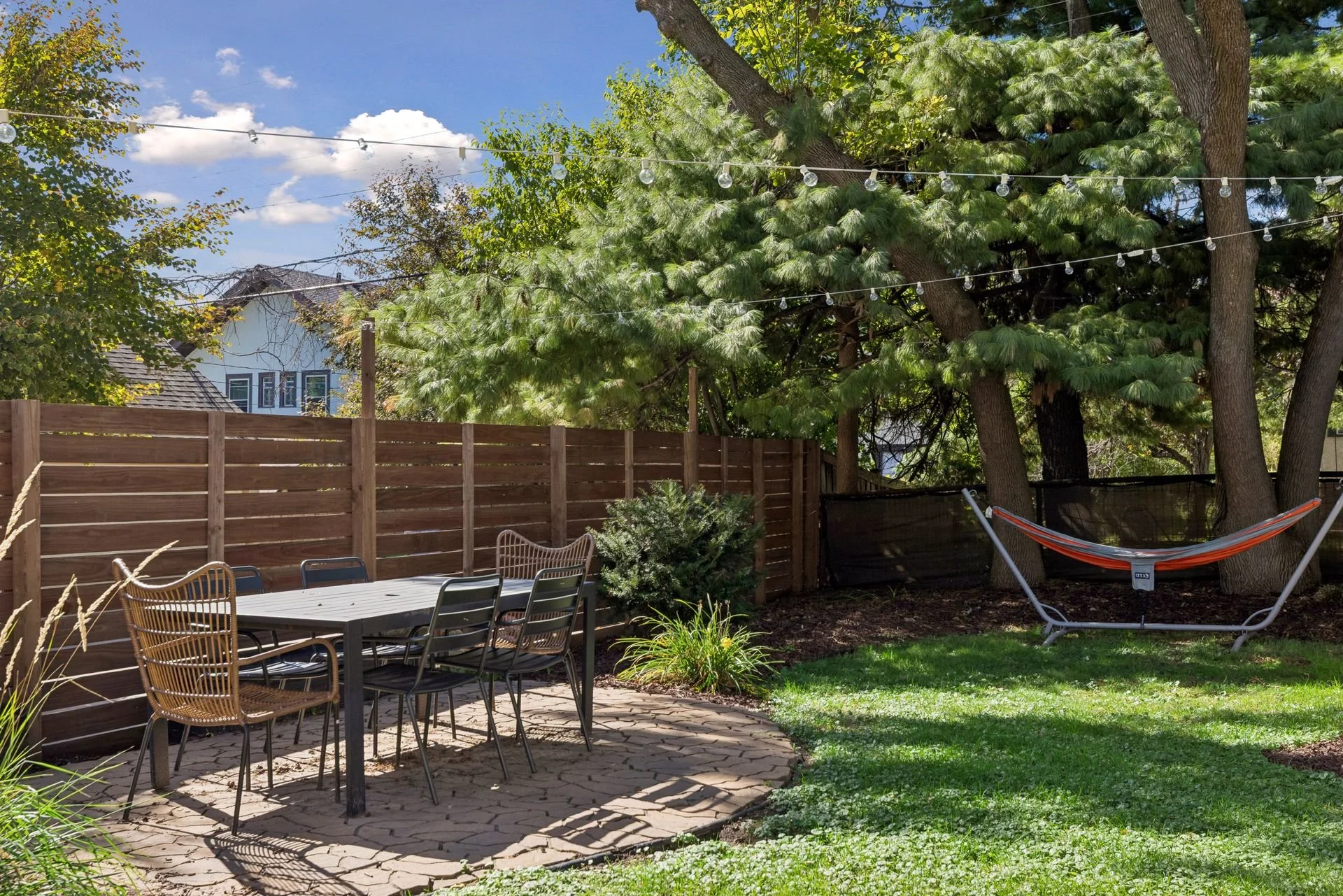
After a pause of several years, Barry and Jordan set their sights on finishing the basement to better serve their growing family. Phase two entailed a complete lower-level renovation, yielding a bright and amply proportioned family room along with an adjacent vintage-inspired 3/4 bath and laundry room. This phase saw a number of un-fun, unseen, dull-ways-to-spend-your-money improvements (mechanical work and floor leveling, for example) that nonetheless bettered the quality of the space infra-structurally – that is, in vital ways yet without you noticing it. Exterior stucco and trim work followed, along with a substantial garden and yard build out.
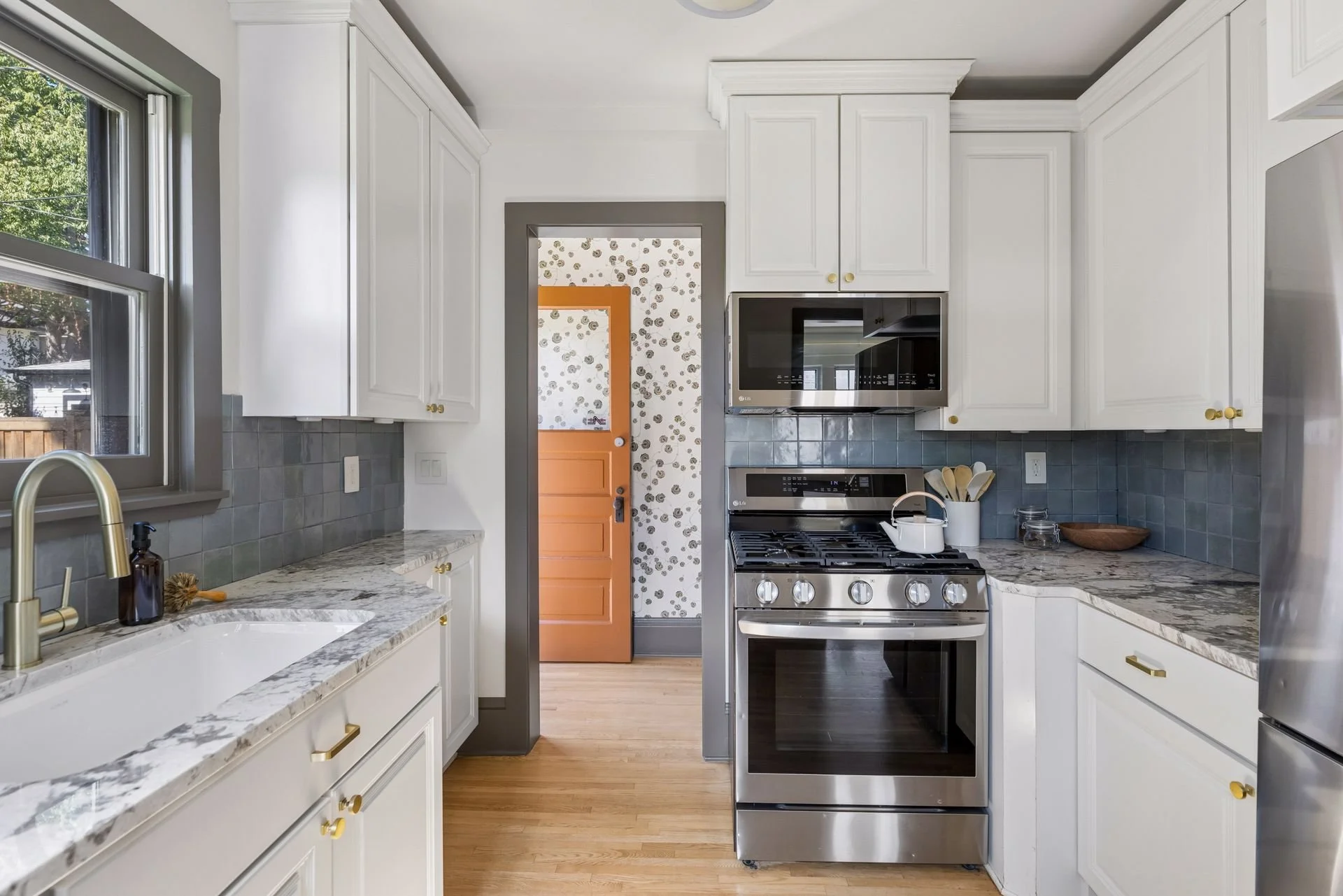
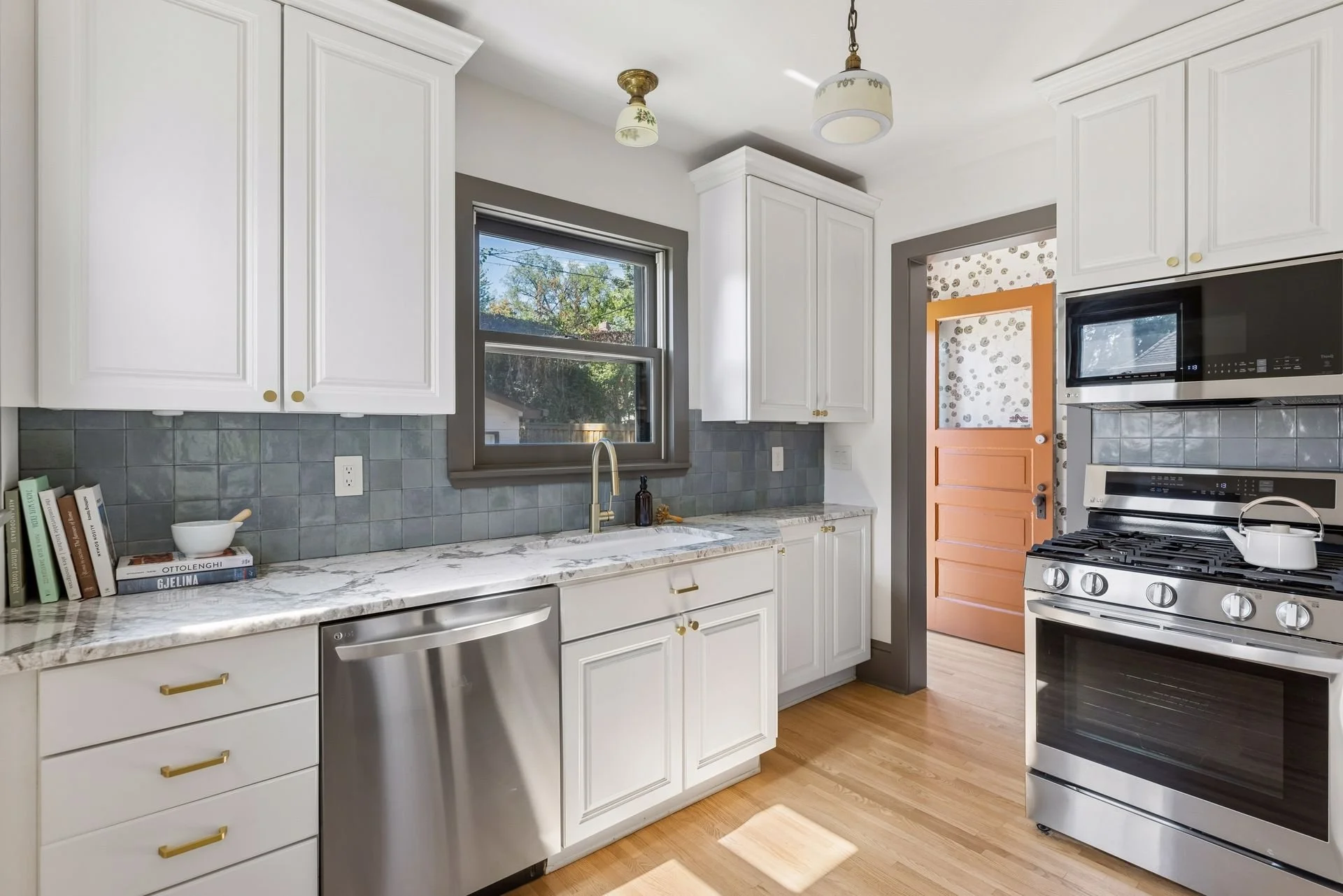
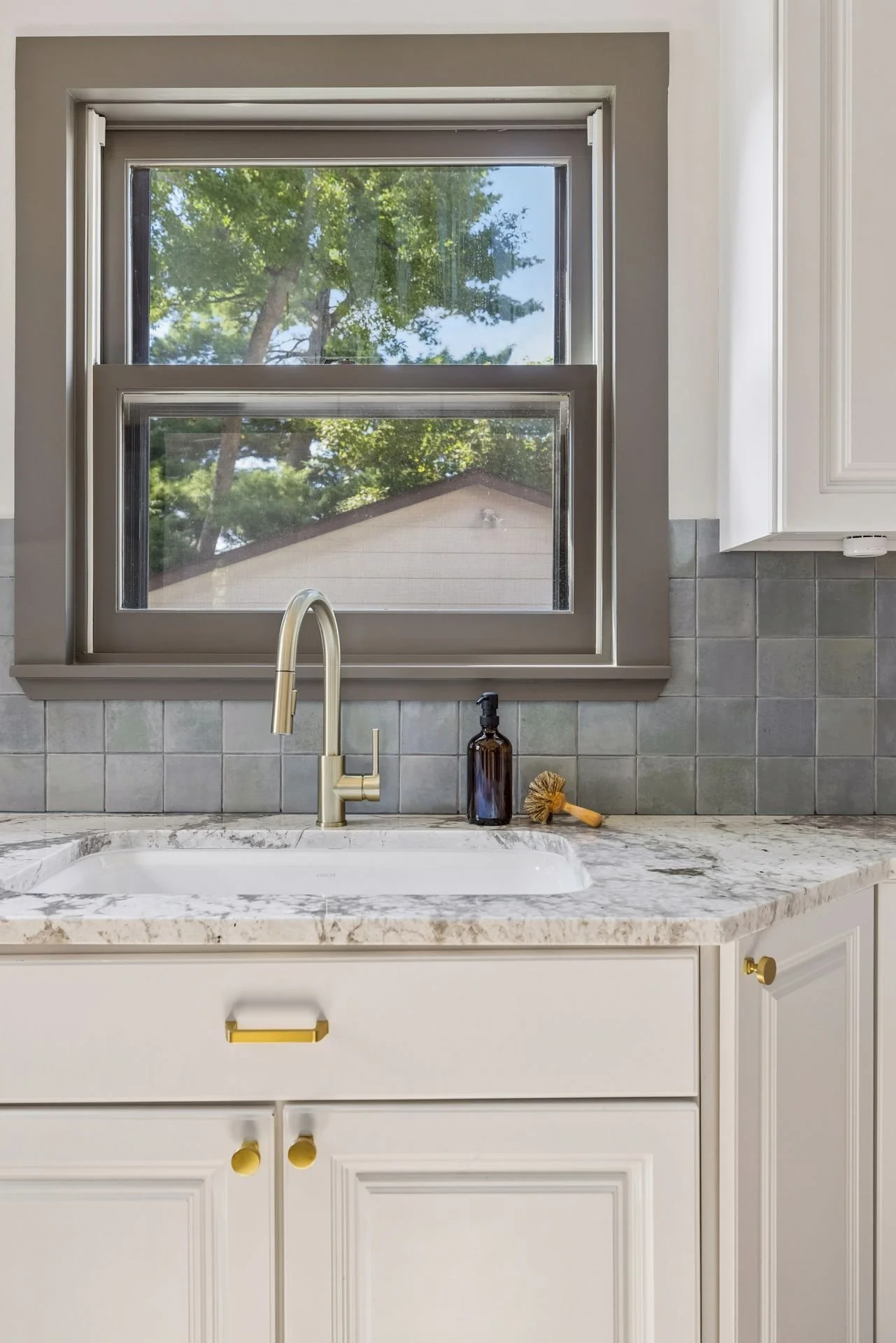
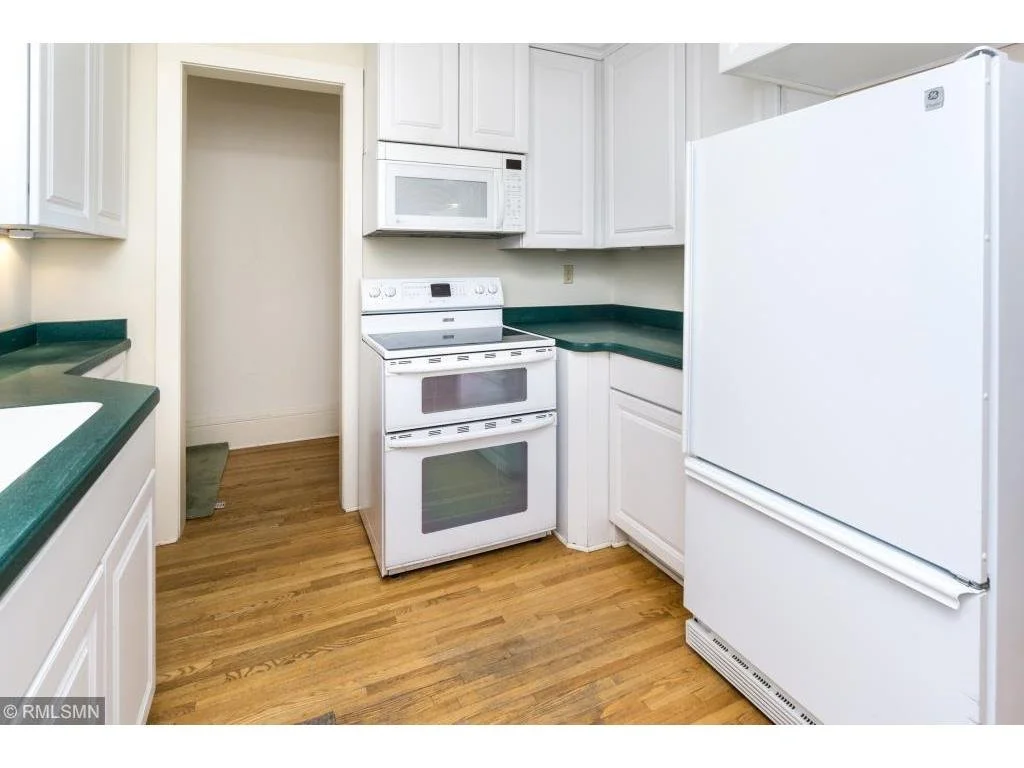
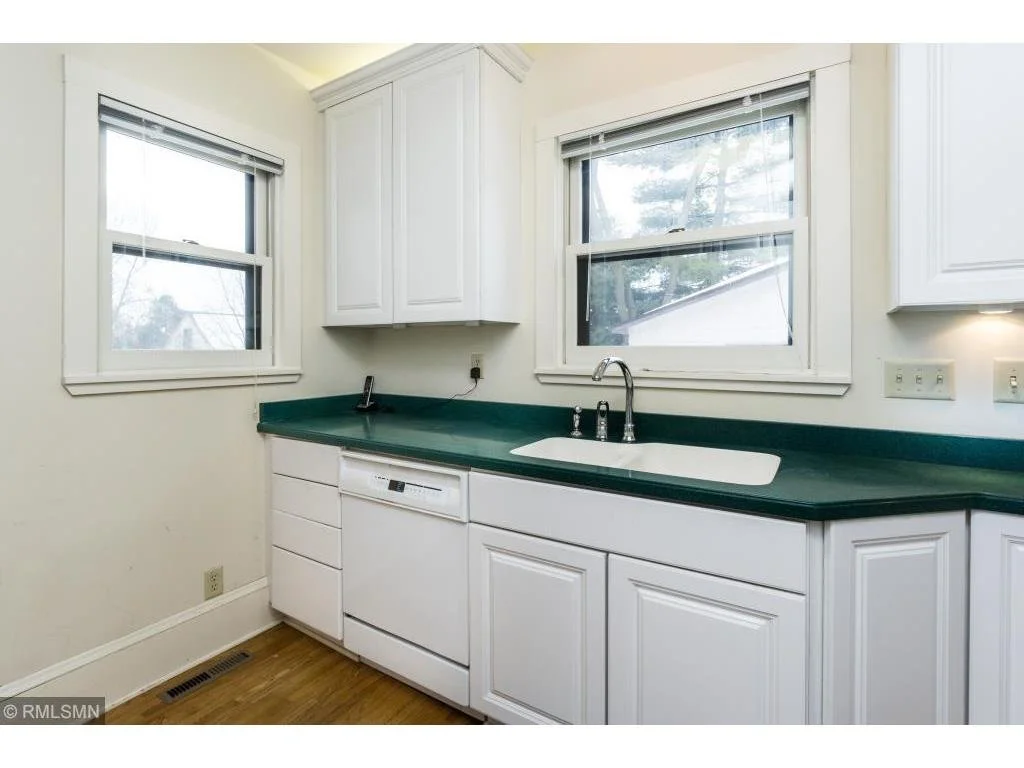
In preparation for market, The Improvement Co. returned for the final phase, completing the kitchen with custom stone, a handmade tile splash, a generous cast iron undermount sink, and a Euro-depth refrigerator. Rear entry improvements and vintage lighting rounded out this latest phase.
Despite – or perhaps because of – its heavy daily use, the kitchen remained for years the last untouched room of the house: too inconvenient to take out of circulation for the period of construction, yet sorely in need of updates to both its finishes and function. In a compact kitchen, the small things matter. Everything has to work harder. A fridge that is true counter depth gains you half a foot. A large, single-basined sink means you can scrub a baking sheet without deploying curse words. Under-cabinet lighting means you’re not fighting your own shadow whilst chopping vegetables... It’s the small pleasures and the big utilities, really.
As Jordan astutely notes, Baby Gar’s kitchen is at the center of the house without being at the literal center of the house. “I remember specifically when we were looking at houses NOT wanting an open plan kitchen.” Gar’s kitchen works seamlessly as the hub off which other living spaces radiate yet is tucked to the side so dirty dishes can sit discreetly in the sink without impinging on entertaining or family time. Easy access to the dining and living rooms, upper level, backyard, and family room downstairs make the kitchen Gar’s functional heart without it occupying centerstage.
It is a rule of old houses and of life too: it’s more important to get it right than do it fast. The resulting home reflects years of investment by stewards who approached the work with the intention of staying. Original architectural details have been restored alongside practical updates to the spaces and systems used every day. What better way to leave a much-loved home than in a markedly improved state – made better but not necessarily made new.